
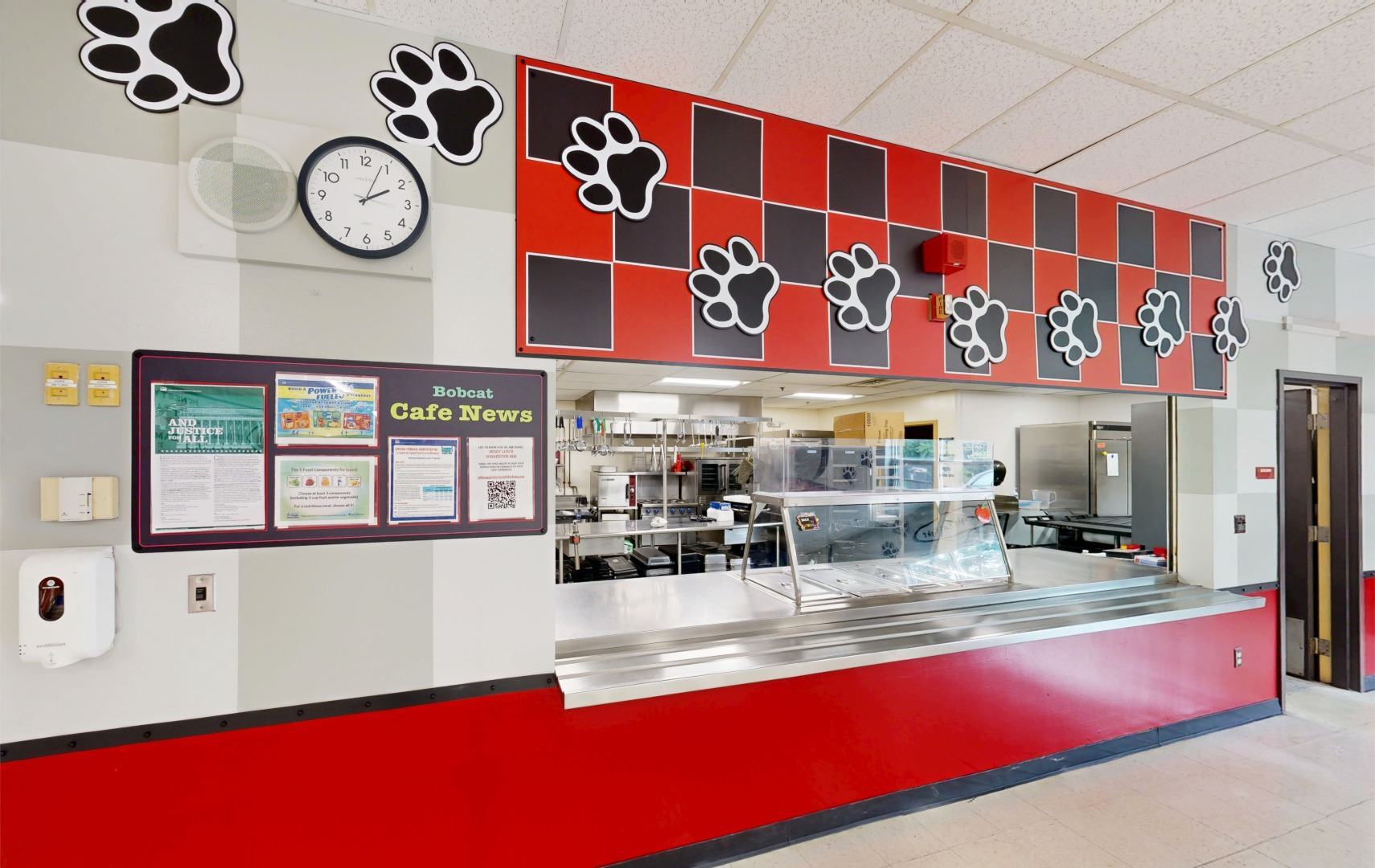
A back-office term that students bump into every single day.
Reimbursable meal sounds like a phrase from a budget meeting, not something a twelve-year-old deals with. But students run into it every single day, usually without ever hearing the name. Every time a student builds a tray, they are either putting together a reimbursable meal or they are not, and whether they get it right often comes down to whether the room told them how.
What counts as a reimbursable meal?
A reimbursable meal is one that meets the program's rules for which food components a student selects and how much of them, so it qualifies for federal reimbursement. The school plans the meal to meet the requirements. The student still has to select the right combination at the line. When both happen, the meal counts. When they do not, it does not, and that gap usually surfaces at the worst possible spot, the register.
Why do students get it wrong?
The confusion is rarely the student's fault. They grab only an entree. They skip the fruit or vegetable. They assume a snack sold on the side is part of the meal. They cannot tell which items count, the line is moving fast, and there is no good moment to stop and ask. None of that is defiance. It is a room that never made the rules visible in the first place.
Offer versus serve, in normal language
Many schools use a model called offer versus serve, which lets students decline some of what is offered so less food ends up in the trash. At lunch, the school offers five meal components, and a student may turn down as many as two. The rule students trip on most is this: they still have to take at least a half cup of fruit or vegetable for the meal to count. Decline too much, or skip the fruit and vegetable entirely, and the tray is no longer reimbursable.
Where design quietly decides the outcome
This is the part most people miss. Whether a student builds a complete meal depends heavily on what the room tells them. Good design makes clear what is included, what is optional, where to find the fruits and vegetables, what they still need before checkout, and where the meal ends and the paid extras begin. There is even a rule behind it. Schools are required to make the reimbursable meal identifiable right where students are choosing, not somewhere they will never look, which turns this into a design job as much as a compliance one.
What good signage looks like
The signs that work share a few traits:
- Simple component icons that show what counts.
- Pictures of the food where you can use them.
- Grade-level language a student can read at a glance.
- A clear instruction to choose at least the required items.
- Placement before the choice, not after the student has passed it.
A student should be able to picture a complete meal before they reach the part of the line where it is too late to fix. Catch the gap there, at the line, and it never becomes a backup at the register with everyone waiting behind it.
Better design makes the rules easier to follow
Cafeteria design does not replace training or proper procedures. What it does is make the right choice the obvious one. When a student can see what a complete meal looks like and where to find each piece of it, more trays come together correctly, the line moves, and far fewer trays fall apart at the register. The rules get easier to follow when the room is built to help students follow them.
This article is general guidance, not legal or regulatory advice. Always confirm requirements with your state agency and USDA guidance.
--- FREQUENTLY ASKED QUESTIONS ---
What is a reimbursable meal?
A reimbursable meal is a school meal that meets federal program rules for which food components a student selects and how much, so it qualifies for federal reimbursement. The school plans the meal to meet the requirements, and the student has to choose the right combination at the line for it to count.
What is offer versus serve?
Offer versus serve is a model that lets students decline some of what is offered to cut food waste. At lunch, the school offers five meal components and a student may decline up to two. They still must take at least a half cup of fruit or vegetable, or the meal is not reimbursable.
Why do students miss a reimbursable meal?
Students usually miss a reimbursable meal because the rules are invisible at the line. They grab only an entree, skip the fruit or vegetable, or assume a side snack counts. The line moves fast and there is no moment to ask. It is rarely defiance, just a room that never showed them what counts.
How does cafeteria design affect reimbursable meals?
Cafeteria design decides whether students can see what a complete meal requires before they check out. Schools are required to make the reimbursable meal identifiable where students choose. Clear component icons, food photos, and signage placed before the choice mean more correct trays, a faster line, and fewer failures at the register.
What does good reimbursable meal signage include?
Good reimbursable meal signage uses simple component icons, food photos where possible, grade-level language, and a clear instruction to take at least the required items. Most important is placement: the signs go before the student makes the choice, not after, so a complete meal is easy to picture in time.