
The best sign is not the one with the most words. It is the one students understand before the register.
A student reaches the cashier with a tray and learns they are missing a fruit or vegetable. The line stops. The cashier explains. The student turns around to grab one while everyone behind them waits. It is a small moment, and it happens hundreds of times a week in cafeterias across the country. Good meal compliance signs exist to prevent exactly that moment, by helping students get the meal right before they ever reach the register.
What are meal compliance signs supposed to do?
Meal compliance signs help students understand the daily reimbursable meal, the choices they have to make, and the options available to them, while moving through a line. Their job is narrow and important. They are not decoration and they are not legal cover. They are a tool that turns a rule into something a student can act on.
The foundation underneath them
The starting point is a federal requirement. A student has to be able to identify the reimbursable meal where the line begins, and a review may check that your signs, or some other method, actually pull that off. Every design choice sits on top of that floor. Get the foundation wrong and the prettiest sign in the building still leaves you exposed.
What makes a meal compliance sign work?
The signs that do their job tend to follow the same principles:
- Plain language a student can act on.
- Pictures or icons, not just text.
- Placement before the decision point, not after.
- A consistent layout from line to line.
- Signs that match the menu actually being served that day.
- An obvious cue for the fruit and vegetable requirement.
- Type large enough to read from the line.
- Wording that matches what staff say out loud, so a student does not get one message from the sign and a different one from a person.
Placement matters as much as design
A perfect sign in the wrong spot does nothing. The locations that carry the weight are:
- The start of the line.
- Near the menu board.
- At each point where a student selects a component.
- Near the fruits and vegetables.
- Near the milk.
- Just before the cashier.
Secondary lines and grab-and-go stations need the same support, and they are the ones most often left bare.
What triggers audit risk?
This is where good intentions get programs in trouble. The usual red flags:
- Signs that are out of date or do not match the day's menu.
- Generic posters that never actually identify the reimbursable meal.
- Signs hidden behind students or equipment.
- Type too small to read from the line.
- Confusing or contradictory instructions.
- Missing signage on secondary or grab-and-go lines.
- Paid extras displayed so they look like part of the meal.
- Staff saying something different from the sign.
- No process for keeping any of it current.
Cute is not the goal, and neither is ugly
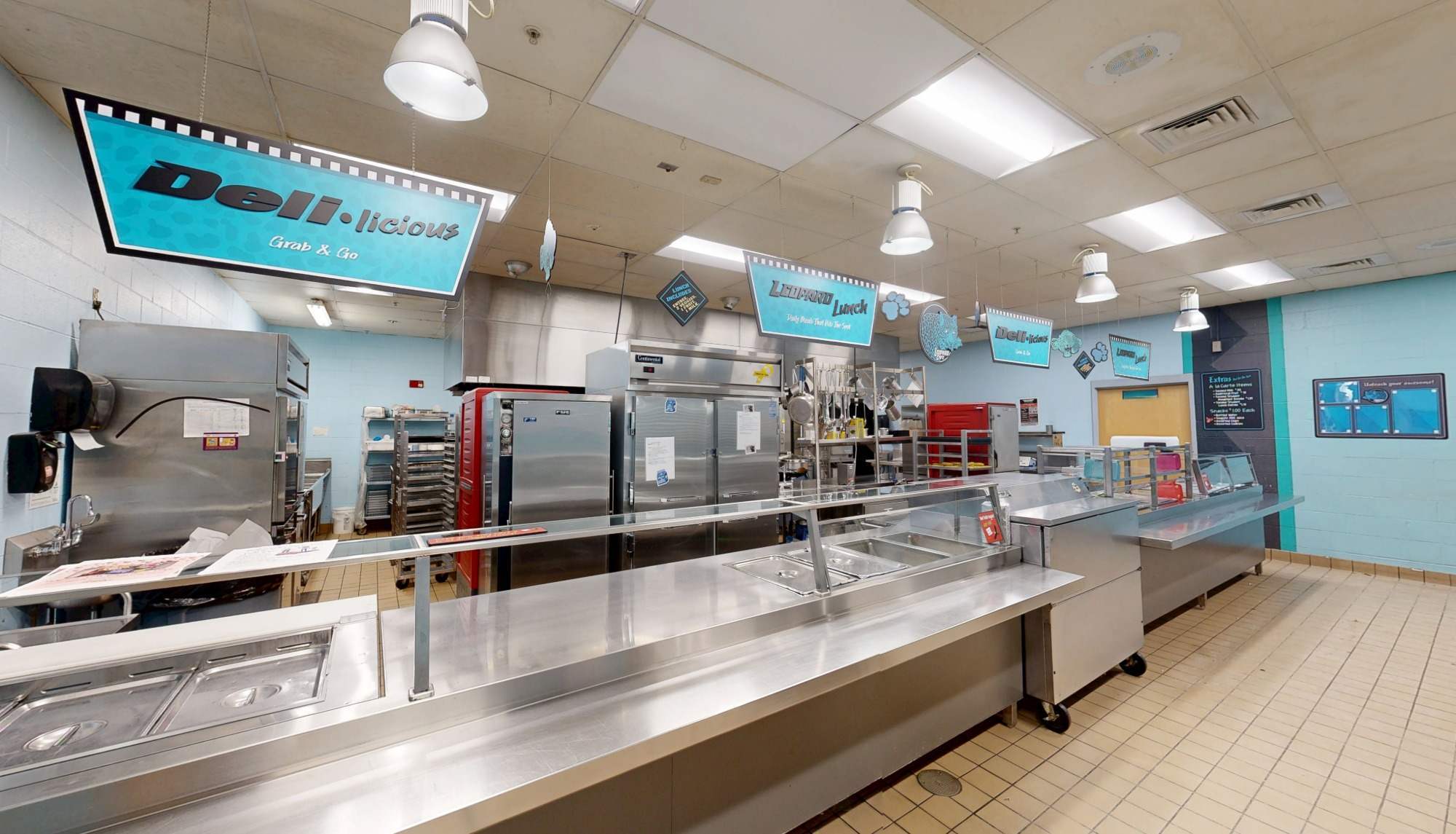
A sign can be colorful, branded, and friendly. It can carry your school colors and mascot. None of that is a problem, as long as it is also accurate, visible, and clear. The old idea that compliance signage has to look like a government form is simply wrong. The real test is not whether a sign is pretty or plain. It is whether a brand-new student would understand it before they reach the register.
Design for the age in front of you
What works on the wall depends on who is reading it:
- Elementary students need pictures, icons, and short phrases.
- Middle schoolers need clear categories and simple instructions without the childish look.
- High schoolers need clean, direct, modern signs that do not feel like they were made for little kids.
Same information, pitched three different ways.
The goal is better decisions, not more signs
That was always the point. Good meal compliance signs reduce confusion, support your staff, help students build a complete meal, and make the whole line move smoother. Fewer stops at the register, fewer frustrated students, fewer surprises during a review. That is what a sign is supposed to buy you, and the wordy, cluttered ones never do.
This article is general guidance, not legal or regulatory advice. Always confirm requirements with your state agency and USDA guidance.
--- FREQUENTLY ASKED QUESTIONS ---
What are meal compliance signs?
Meal compliance signs are cafeteria signs that help students identify the daily reimbursable meal, the components they must choose, and the options available, right at the serving line. They turn a federal rule into something a student can act on while moving through the line. They are a tool, not decoration and not legal cover.
Are meal compliance signs required?
There is a federal requirement that a student be able to identify the reimbursable meal where the line begins, and an administrative review may check that your signs, or another method, accomplish that. Signage is the most common way schools meet it, so a vague or missing sign can become a review finding.
What makes a meal compliance sign effective?
Effective meal compliance signs use plain language and icons, sit before the decision point, keep a consistent layout, match the menu served that day, cue the fruit and vegetable requirement, and use type readable from the line. The wording should match what staff say, so students never get two different messages.
What triggers audit risk with cafeteria signage?
Audit risk comes from signs that are out of date, generic posters that never identify the reimbursable meal, signs hidden or too small to read, missing signage on secondary and grab-and-go lines, paid extras that look like part of the meal, and staff who say something different from the sign.
Do meal compliance signs have to look like a government form?
No. Meal compliance signs can be colorful, branded, and carry your school colors and mascot. The look is not the issue. What matters is that the sign is accurate, visible, and clear enough that a brand-new student understands the reimbursable meal before reaching the register.