
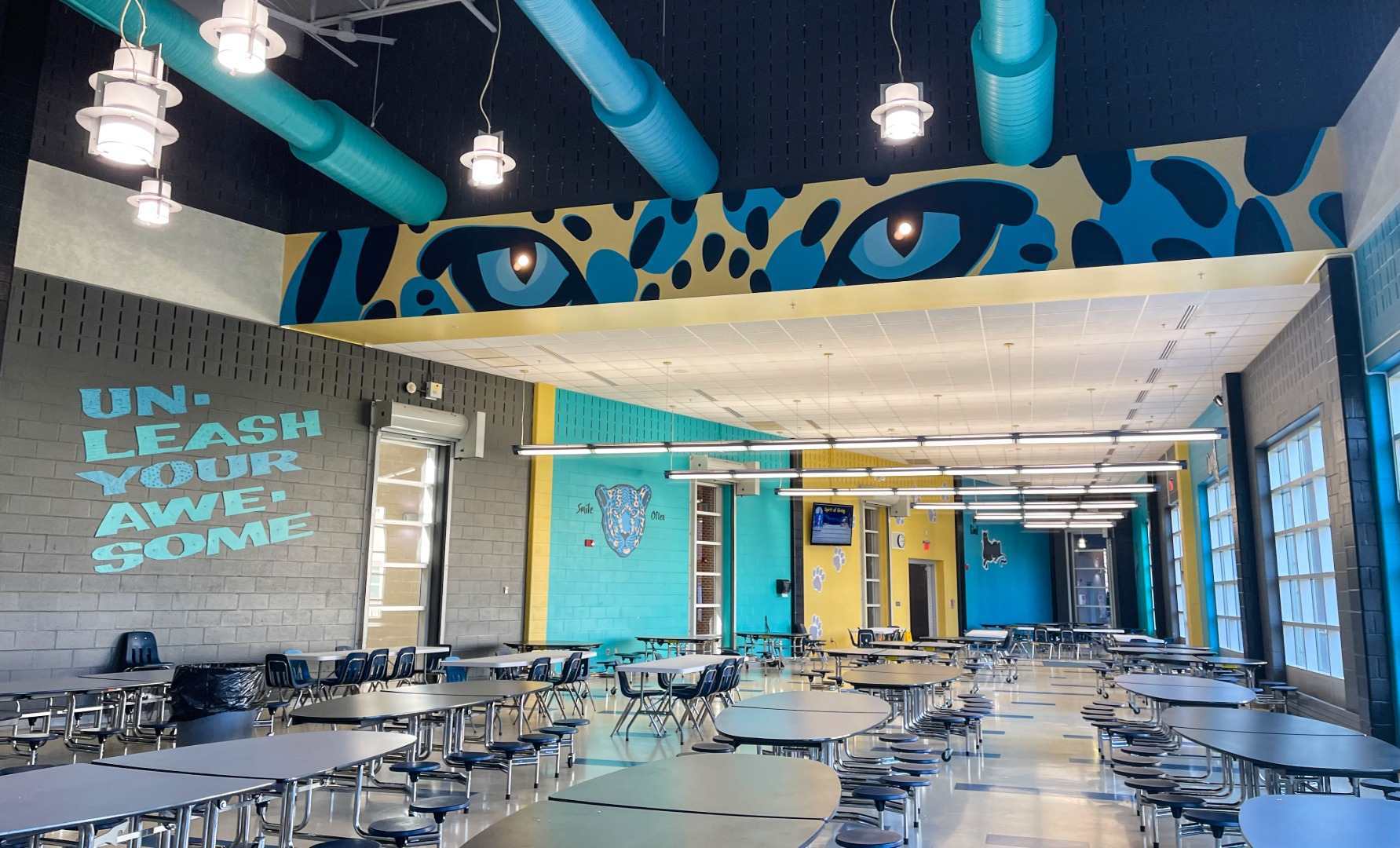
An open letter to a profession missing a massive opportunity.
I want to say something that might be a little uncomfortable for the SNA crowd.
The school nutrition profession has gotten very, very good at a lot of things. Compliance is tighter than ever. Menus are more creative than they have ever been. Technology has streamlined operations. Advocacy on the Hill has kept programs funded through some challenging political cycles. The people in this profession work incredibly hard, and they do not get enough credit for it.
But there is a blind spot. And it is a big one.
The Room Nobody Talks About
Go to any SNA conference. Attend the sessions. Walk the vendor floor. Listen to the hallway conversations. You will hear about meal patterns, food costs, staffing, equipment, and recipes. You will not hear anyone talking about the physical cafeteria environment.
That is strange when you think about it. We are an industry built around feeding students in a specific room, and we almost never discuss what that room looks like, how it functions spatially, or how its design affects the outcomes we spend the rest of our time trying to improve.
We Talk Around It Constantly
Think about the problems that come up in every professional conversation. Participation is not where we want it. Behavior during lunch is a challenge. Students do not seem excited about the program. Staff feel burned out.
These are all partly environmental problems. Not entirely, but partly. Participation drops when the room does not invite students in. Behavior gets worse when the space is confusing and chaotic. Students disengage when the cafeteria looks like nobody put any thought into it. Staff burn out when they work in a space that fights them every day.
We keep trying to solve these problems with operational fixes. More creative menus. Better scheduling. Additional monitors. All helpful, but none of them address the room itself.
The Evidence Is Already There
Schools that have redesigned their cafeterias with intentional graphics, branding, wayfinding, and color are reporting exactly the outcomes the SNA spends its conferences trying to achieve: higher participation, calmer lunch periods, better student engagement, and improved staff experience. This is not anecdotal anymore. The pattern is consistent enough that it deserves serious professional attention.
So Why Is It Not Part of the Conversation?
Partly because it is new. The profession did not train for this. Food service directors learned about nutrition, compliance, budgets, and kitchen management. Nobody said anything about environmental design. Partly because it does not fit neatly into an existing budget line. And partly because the industry just has not made space for it yet.
But that does not mean it should stay on the sidelines. The physical environment is not a side project. It is connected to everything the SNA profession cares about. And the directors who are figuring that out right now are getting results that the rest of the field is going to want to understand very soon.