


Sean Barton
Chief Operating Officer
Questions about your own room?
One short call to walk through the room, the goals, and what is possible. No pressure, no obligation.
Overview
-
School lunch ideas that have nothing to do with the menu!
-
You have tried new recipes, conducted taste testing panels, brought in local produce, and launched scratch cooking initiatives—only to see participation bump for a week and settle right back.
-
The food keeps getting better, but the numbers will not move. That is because participation is an experience problem, not just a food problem.
-
Here are seven major environmental cafeteria upgrades structured across top-level sections to address the other half of the equation.
The Real Barriers to Lunch Participation
When culinary innovations fail to deliver long-term participation growth, the physical dining environment is usually the missing link.
Root Upgrade Sections
Focus on Dining Experience
Station Identification
Participation Growth
District leaders often invest heavily in ingredients while ignoring the room where meals are consumed. Transforming the room creates an environment where students actively want to spend their time.
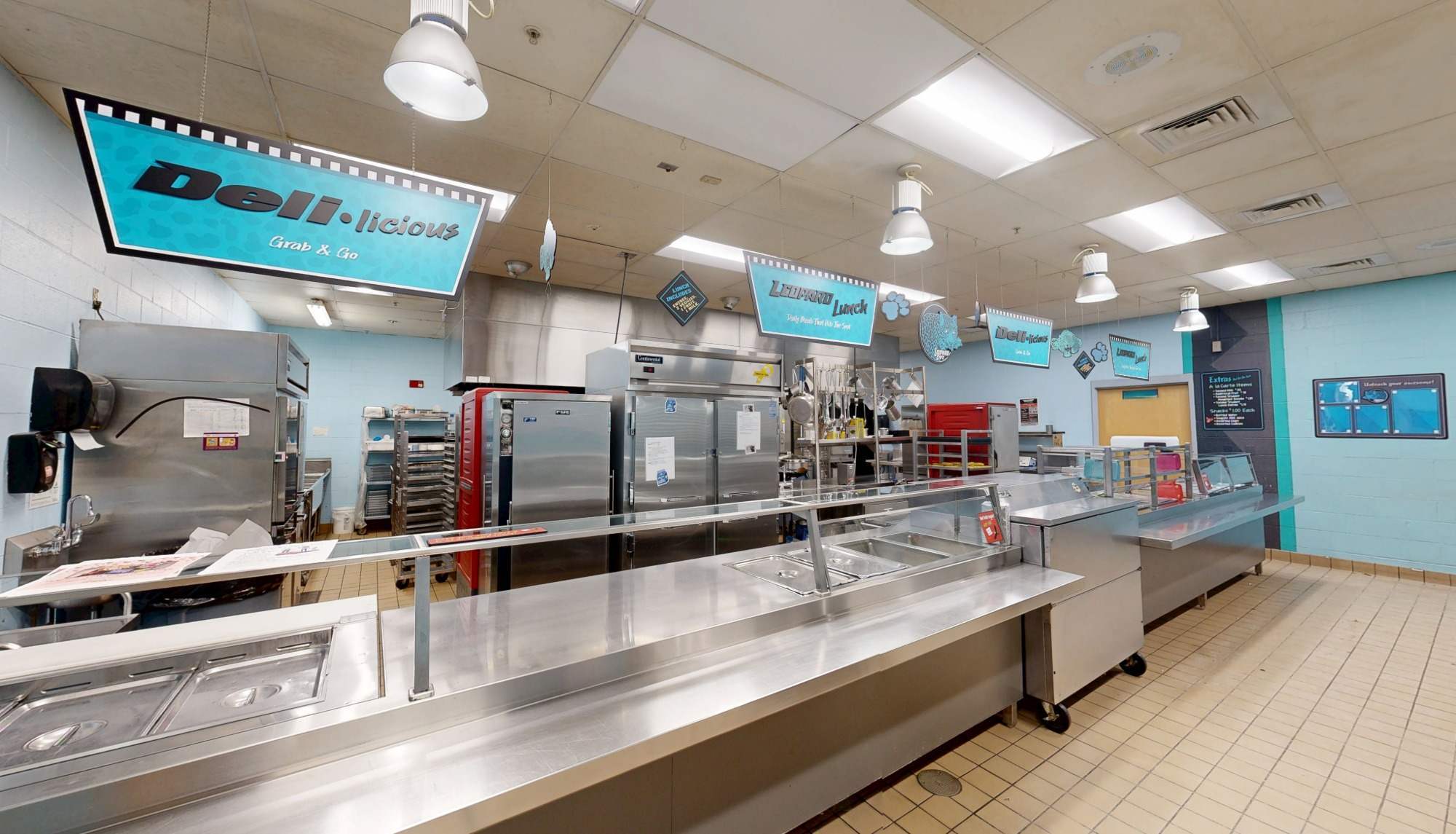
Put Food Graphics at Eye Level Above Every School Lunch Serving Station
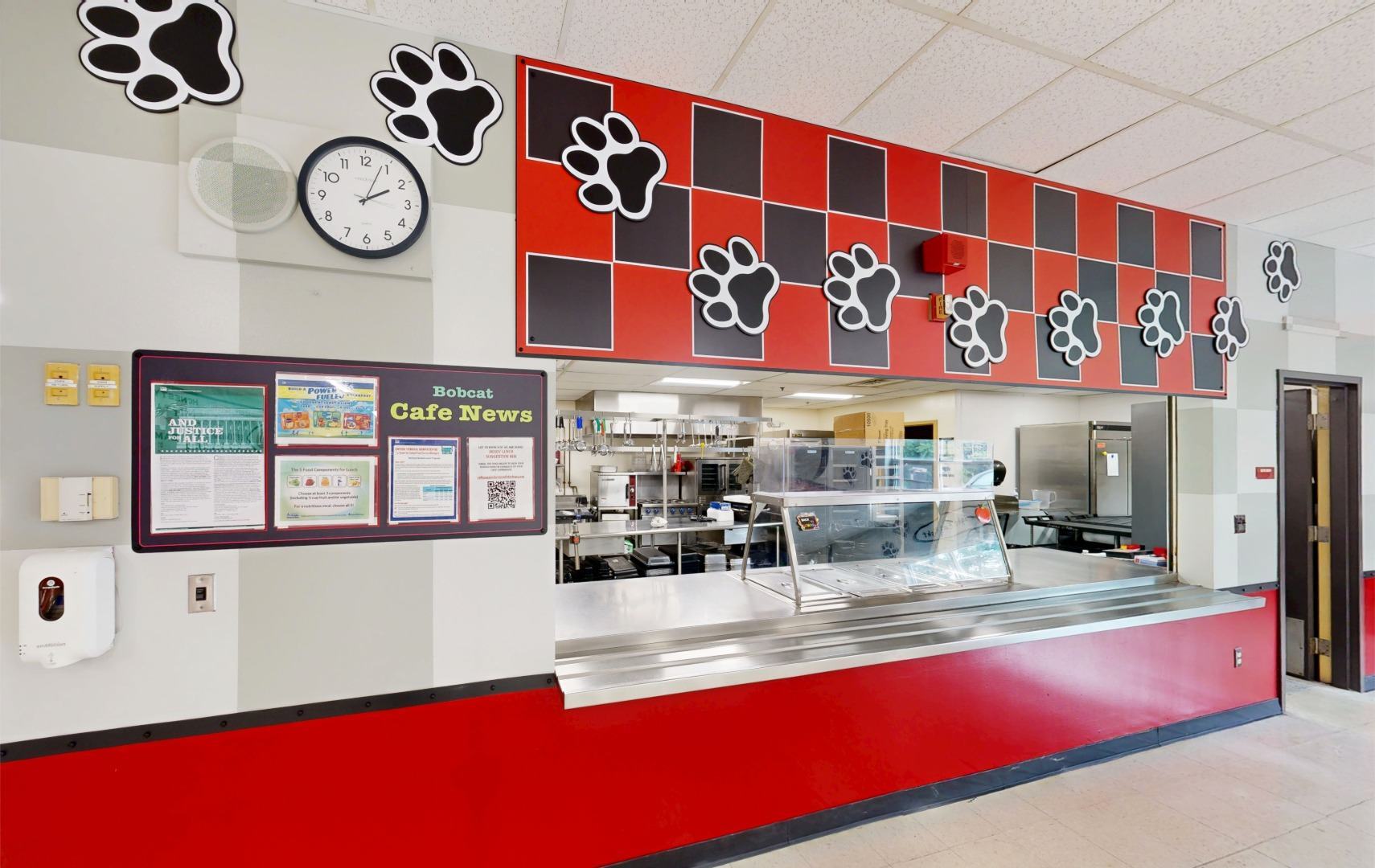
This is the single highest-impact, lowest-effort change you can make. Large, colorful images of food categories positioned directly at each serving station allow students to navigate instinctively. Place a fruit graphic at the fruit station, a vegetable graphic at the salad bar, and an entrée image near the hot line. When students identify their options instantly, decision fatigue vanishes, the line moves significantly faster, and the food looks more appealing in context. You can do this before the next school year starts.
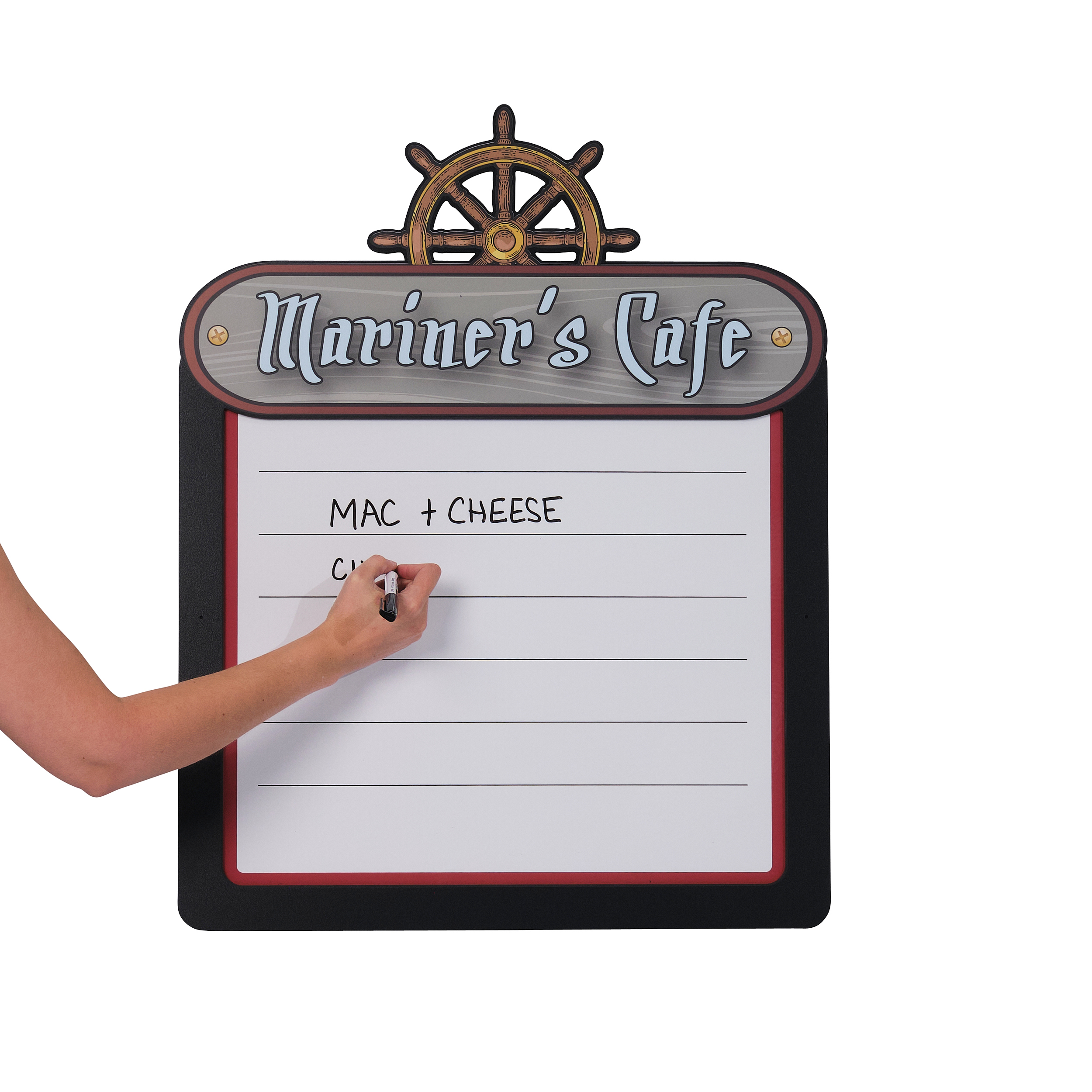
Make Your School Lunch Menu Display Something Students Actually Look At
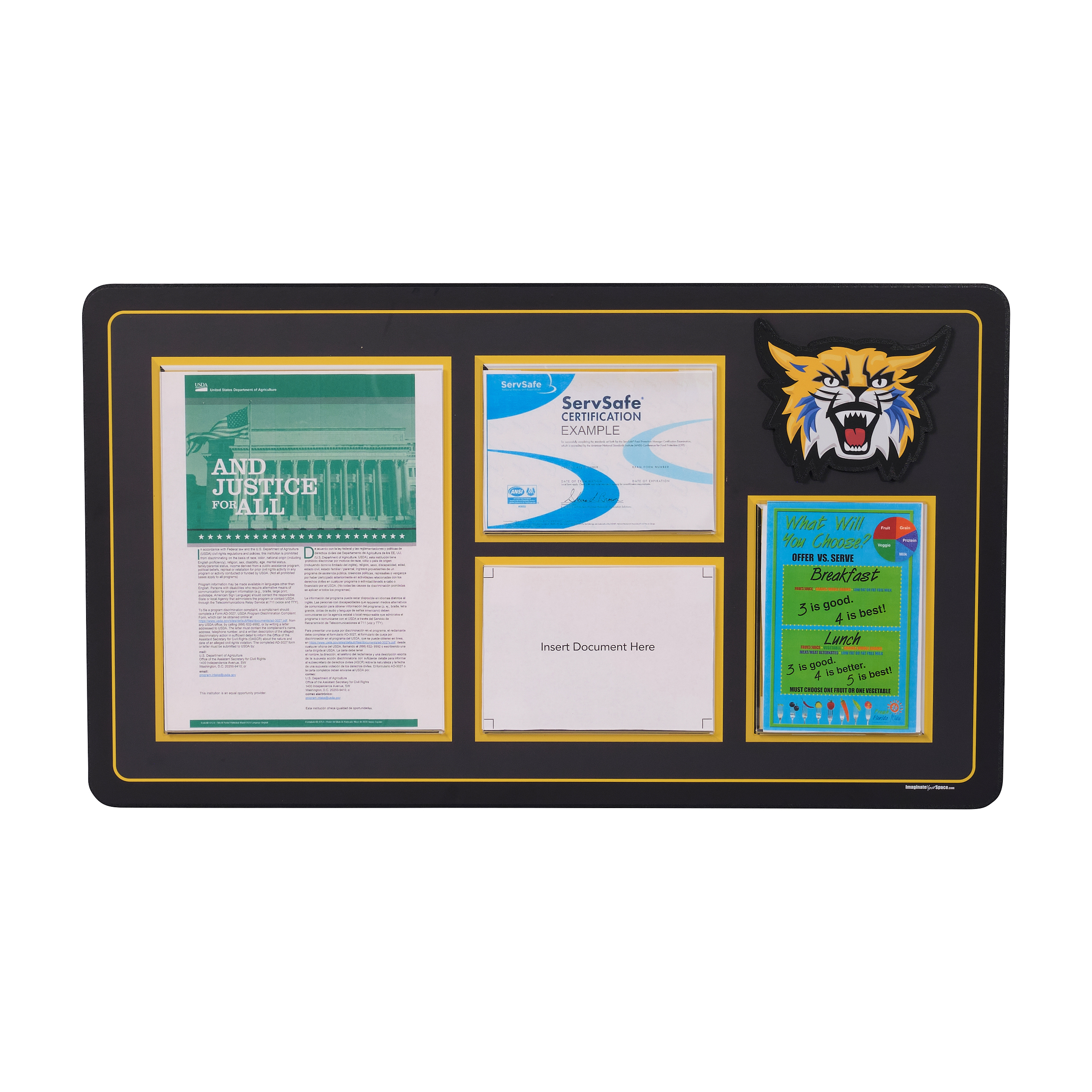
If your daily menu is a printed sheet on a clipboard or a plain text list that nobody reads, you are losing students before they even get in line. The menu display is your prime opportunity to build anticipation. A well-designed, visually engaging menu board placed near the entrance or the start of the line shows students what is available in a format that actually catches their eye. Think bold colors, clean typography, and easy-to-scan layouts. When students can see what is being served and it looks good, they commit to the line instead of walking past it.
Add a Mascot or School Identity Element
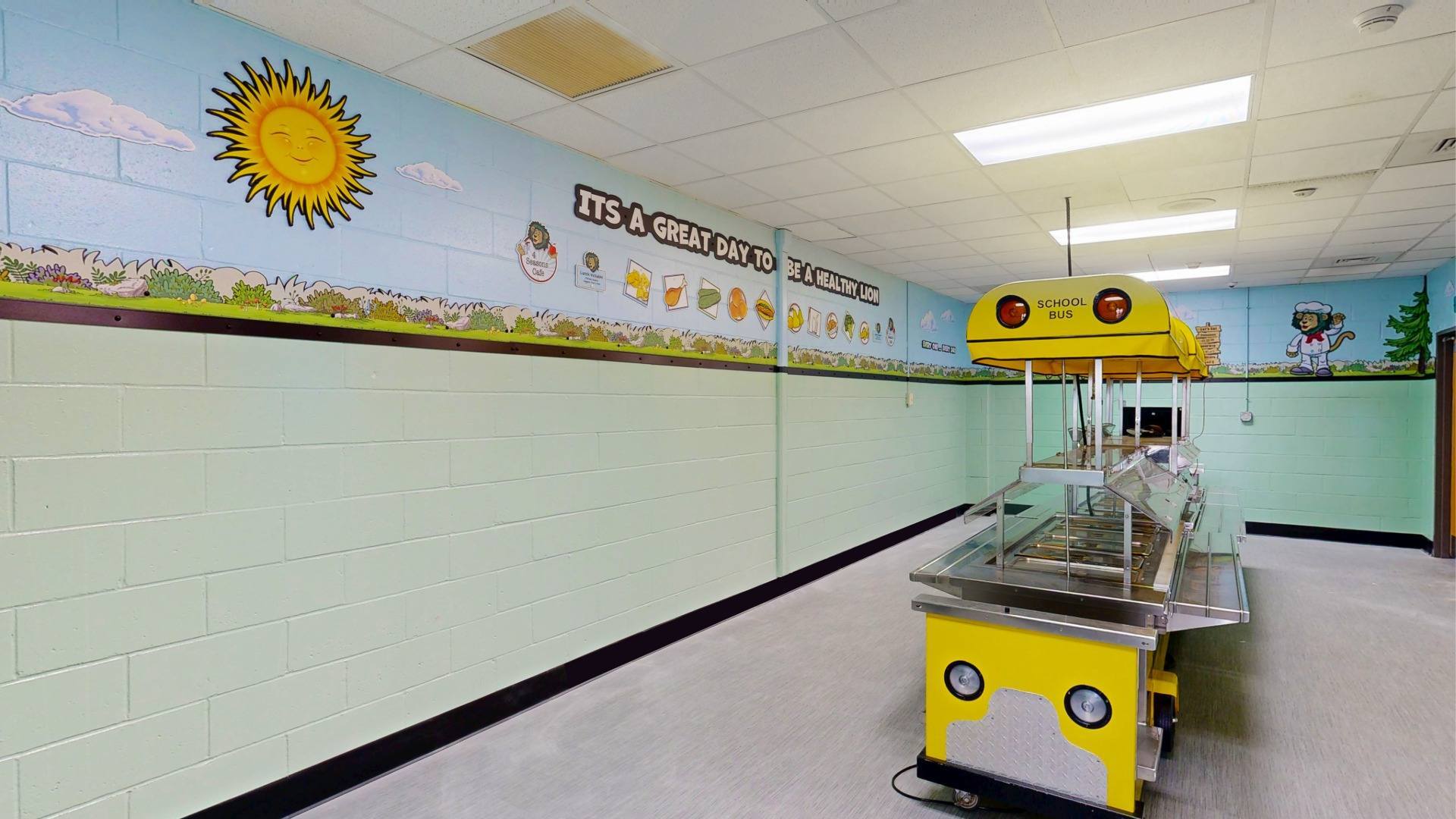
It does not have to be a full wall mural on day one. Even a single prominent school mascot graphic in the cafeteria fundamentally changes how students relate to the space. It transitions the dining hall from a generic institutional room into "our room." That shift in ownership creates school pride and has a direct, positive effect on how students engage with everything in the cafeteria, including the meal program.
Create Visual Flow Through the School Lunch Serving Line
A lot of participation loss happens right at the line itself. Students see a confusing, crowded serving area and decide it is simply not worth the frustration. Directional graphics, clear station markers, and explicit visual start and end points transform a chaotic experience into an organized, stress-free flow. When the queue looks structured and manageable, students are far more willing to get in it.
Change the Color Palette of Your Cafeteria
This one sounds simple because it is. If your cafeteria is beige, gray, or white, the room has no energy. Introducing color—even through a few strategic wall graphics rather than a full repaint—changes the atmosphere immediately. A room with visual warmth feels like an inviting place where people want to gather. A room without visual warmth feels like a clinical space people want to leave as quickly as possible.
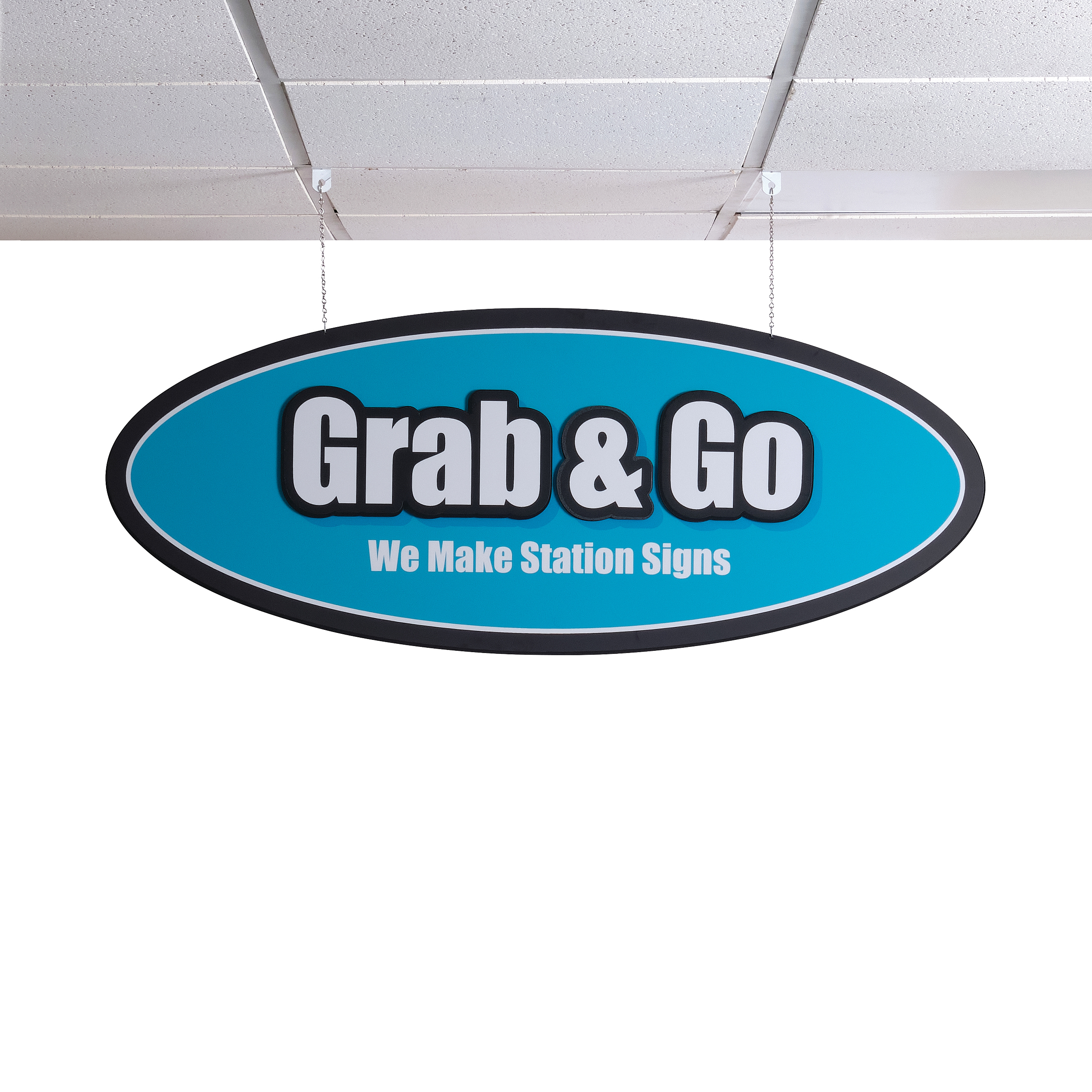
Design Dedicated Grab-and-Go Express Lines
Students often prioritize spending time with friends over standing in long queues. Creating clear, dedicated express channels for pre-packaged meals, salads, and wraps allows time-sensitive students to bypass main line congestion. This keeps line wait times low and prevents students from opting out of lunch entirely.
Reconfigure Seating to Eliminate Crowd Anxiety
Traditional rows of long, connected benches can heighten social stress and cause room crowding. Replacing or breaking up rigid seating with a mix of booth seating, round tables, and high-top counters breaks up large crowds. Giving students choices in where they sit creates a relaxed, commercial dining atmosphere that encourages higher daily attendance.
“As far as school lunch ideas go: the menu for school matters, but so does everything else. Keep innovating on the food. That work is important. But if you are looking for the participation breakthrough that has been just out of reach, look up from the plate and look at the room. Some of the best school lunch ideas are not recipes at all—they are about how the cafeteria looks, feels, and works for students.”
FAQ
Why do new recipes and taste tests only result in temporary participation bumps?
Because participation is an experience problem as much as a food problem. Once the novelty of a new menu item wears off, an uninspiring, slow, or chaotic dining room environment causes students to revert to avoiding the cafeteria line.
How do eye-level food graphics speed up line progression?
Eye-level graphics allow students to see and recognize food stations from further back in the line. This eliminates hesitation at the counter, allowing students to make choices quickly and keep the queue moving.
What is the fastest way to make a cafeteria menu display engaging?
Replace small printed sheets or clipboard lists with a bold, colorful, and easy-to-scan menu board positioned right at the entrance or line entrance where students can preview choices before committing.
How does adding a school mascot graphic impact student engagement?
Adding a mascot or school identity element shifts student perception of the cafeteria from a generic facility to a space that feels personal. This sense of ownership encourages students to view the cafeteria as a positive social center.
Can environmental changes be made without full building renovations?
Yes. You can introduce warm, energetic colors and clear identity instantly through high-impact environmental wall graphics, station signs, and vinyl wall decals without undergoing costly repainting or renovations.