


Sean Barton
Chief Operating Officer
Questions about your own room?
One short call to walk through the room, the goals, and what is possible. No pressure, no obligation.
Overview
-
Participation in free and reduced lunch programs drops drastically when cafeteria design fails to mitigate social stigma.
-
While menus and food quality matter, environmental factors like line length, blank walls, and institutional atmosphere directly drive students away.
-
A well-designed cafeteria creates an inviting identity, turning a rigid "program" into a welcoming physical place for all students.
-
District leaders can make immediate, high-impact spatial changes to increase participation and eliminate visible social distinctions.
The Numbers Behind Lunch Participation
Start with the scale. The gap between students who qualify for free or reduced lunch and those who actually eat in the cafeteria represents a critical loss—both in student nutrition and unrecovered reimbursement dollars for the district.
Daily lunches served across U.S. schools
Average district participation rate for eligible students
Districts facing food line bottlenecks & layout challenges
Middle & high schoolers who cite cafeteria atmosphere as a barrier
District after district reports that qualifying numbers remain high while actual daily attendance drops, especially in middle and high schools where social awareness is at its peak.
What Students Say When You Ask Them
Consider a typical middle school student who qualifies for free or reduced lunch. She isn’t skipping school, and she isn’t sick; she simply avoids entering the cafeteria. Her peers buy snacks from vending machines or eat outside when weather permits. In her mind, the cafeteria is purely "where the program kids go," and she would rather go hungry than be labeled.
“A cafeteria that looks like a government meal distribution center reinforces every negative association a student already has about free and reduced lunch. The long lines, blank walls, and feeling of being processed tell a story students do not want to be part of.”
What an Institutional Cafeteria Communicates
The Line as a Social Barrier
When a cafeteria relies on institutional flow—long, single-file lines backed up against bare walls—it highlights who is waiting and who is opting out. For self-conscious students, this visual messaging is enough to keep them away, regardless of meal quality or staff friendliness.
The Unseen Cost of Stigma
Social awareness peaks during middle and high school. When the dining environment feels like a rigid, bureaucratic system, it feeds social distinctions rather than dissolving them. A room built around dignity, by contrast, supports every student in the building.
What a Designed Cafeteria Communicates
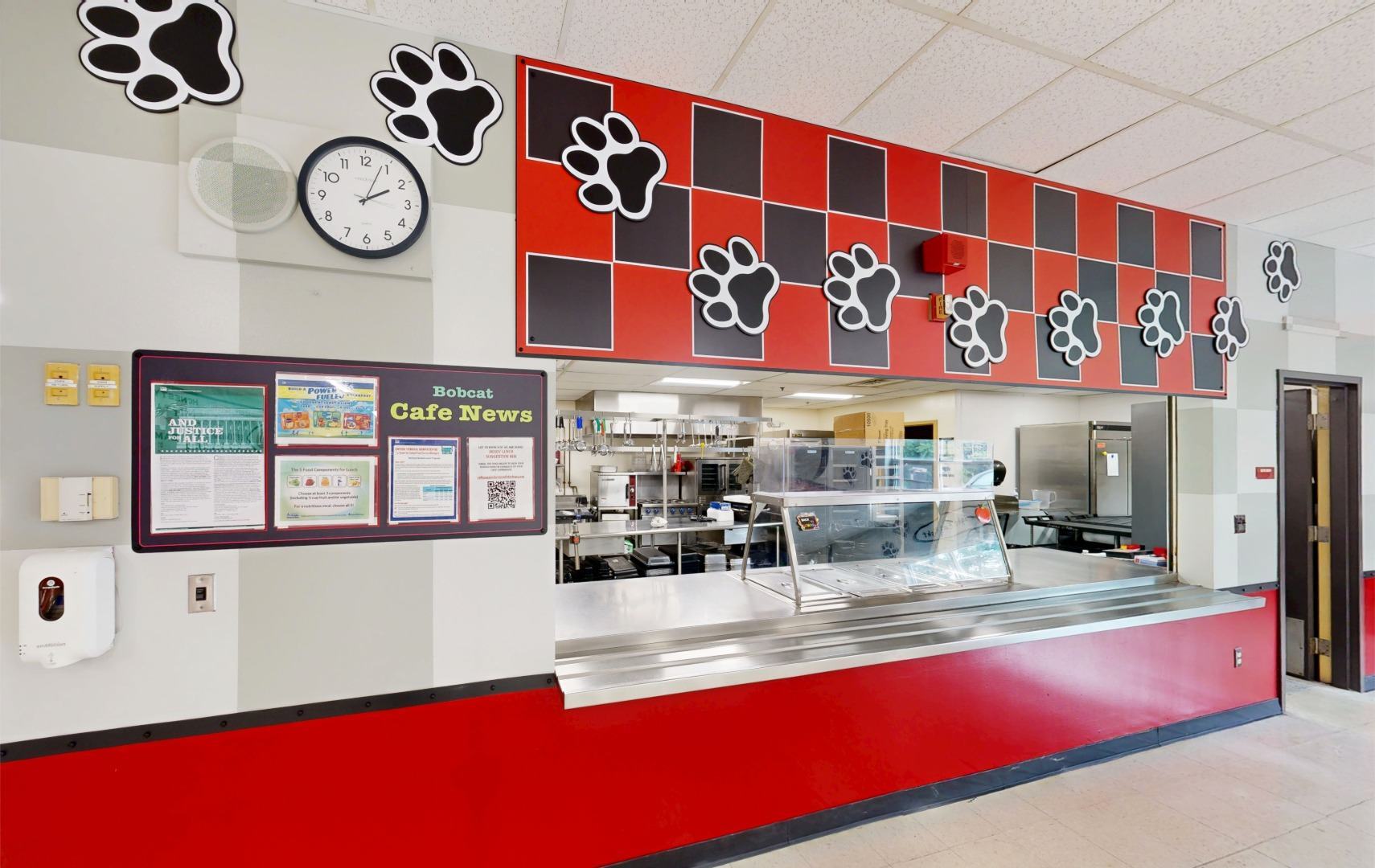
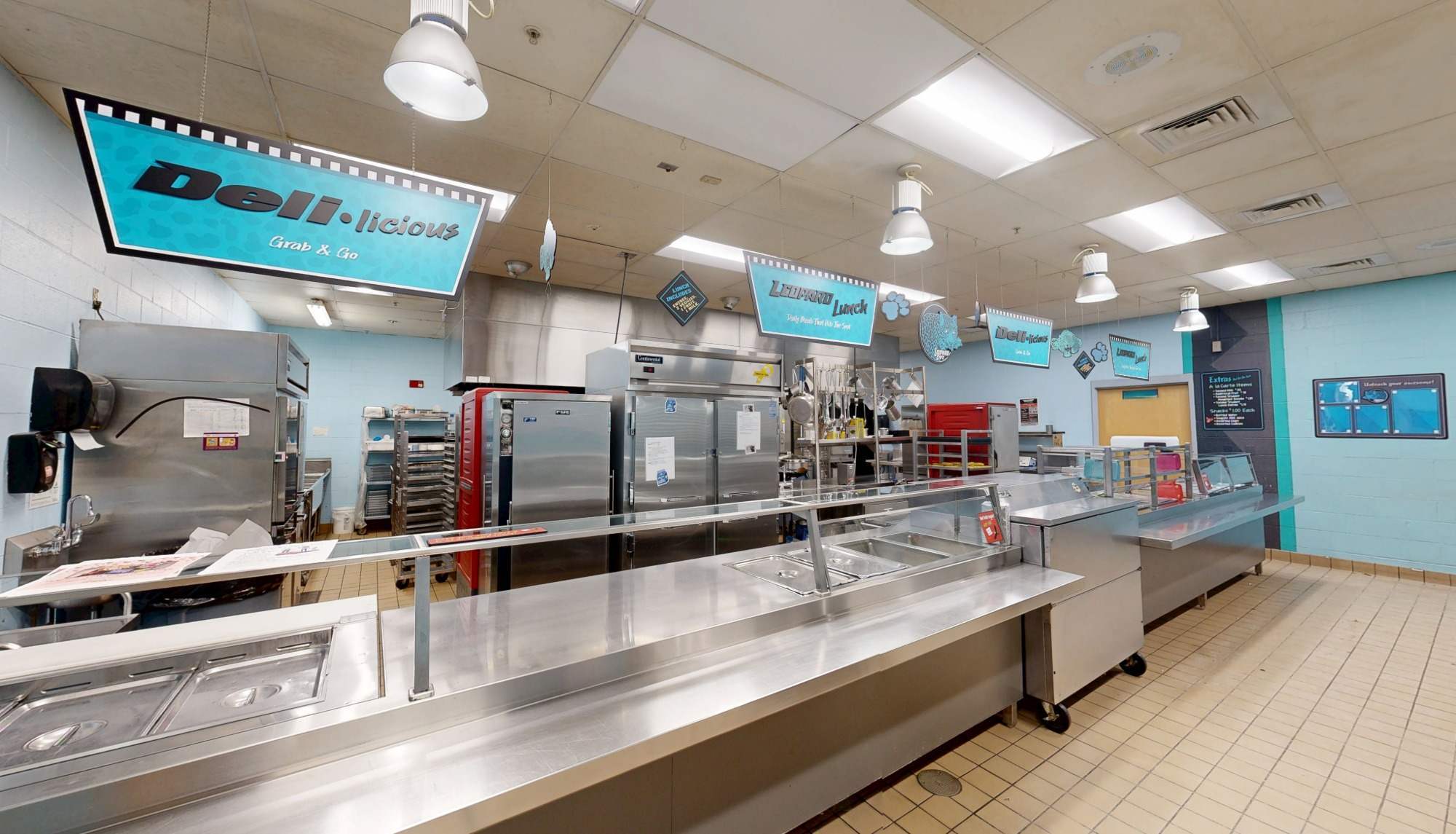
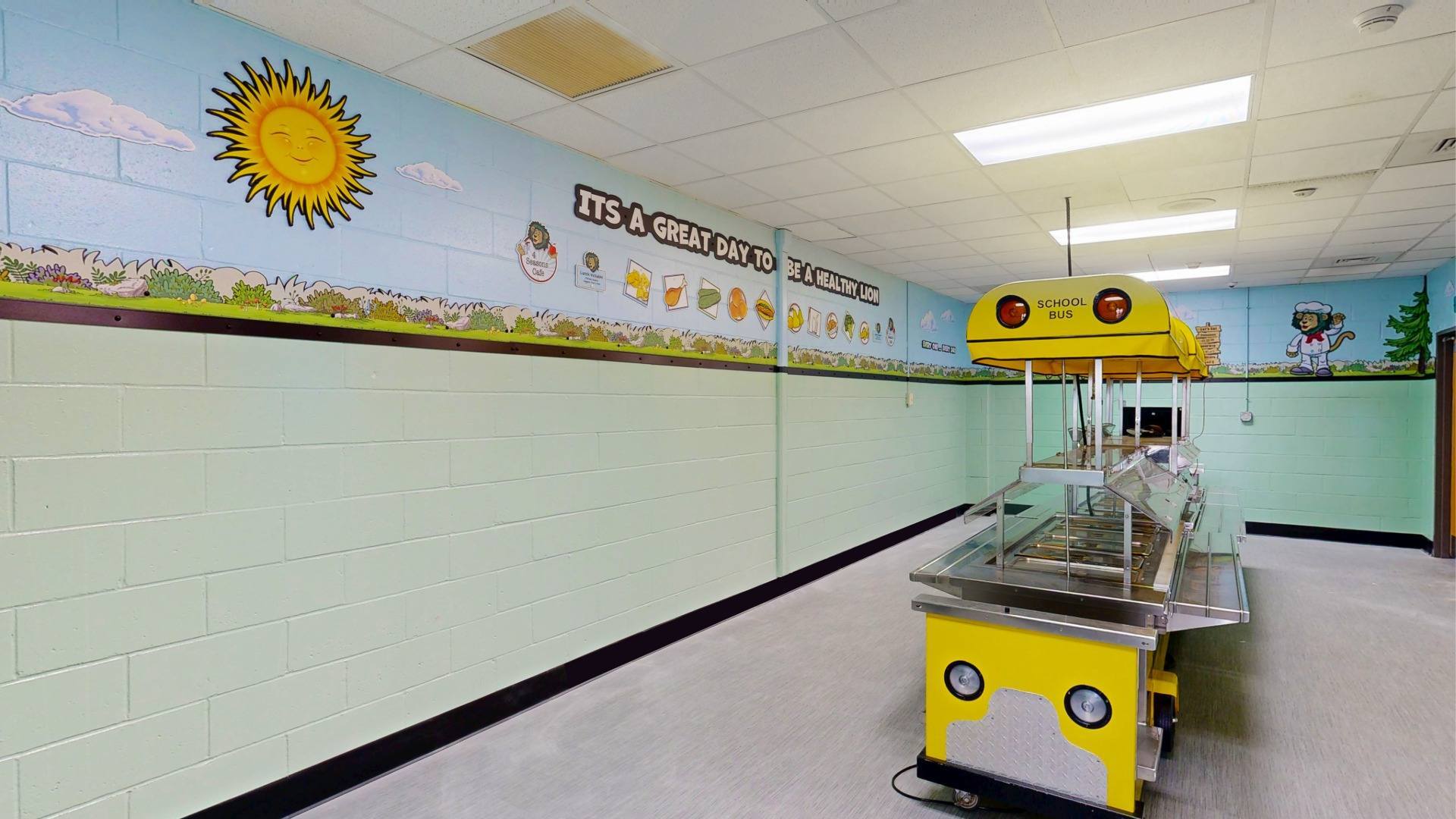
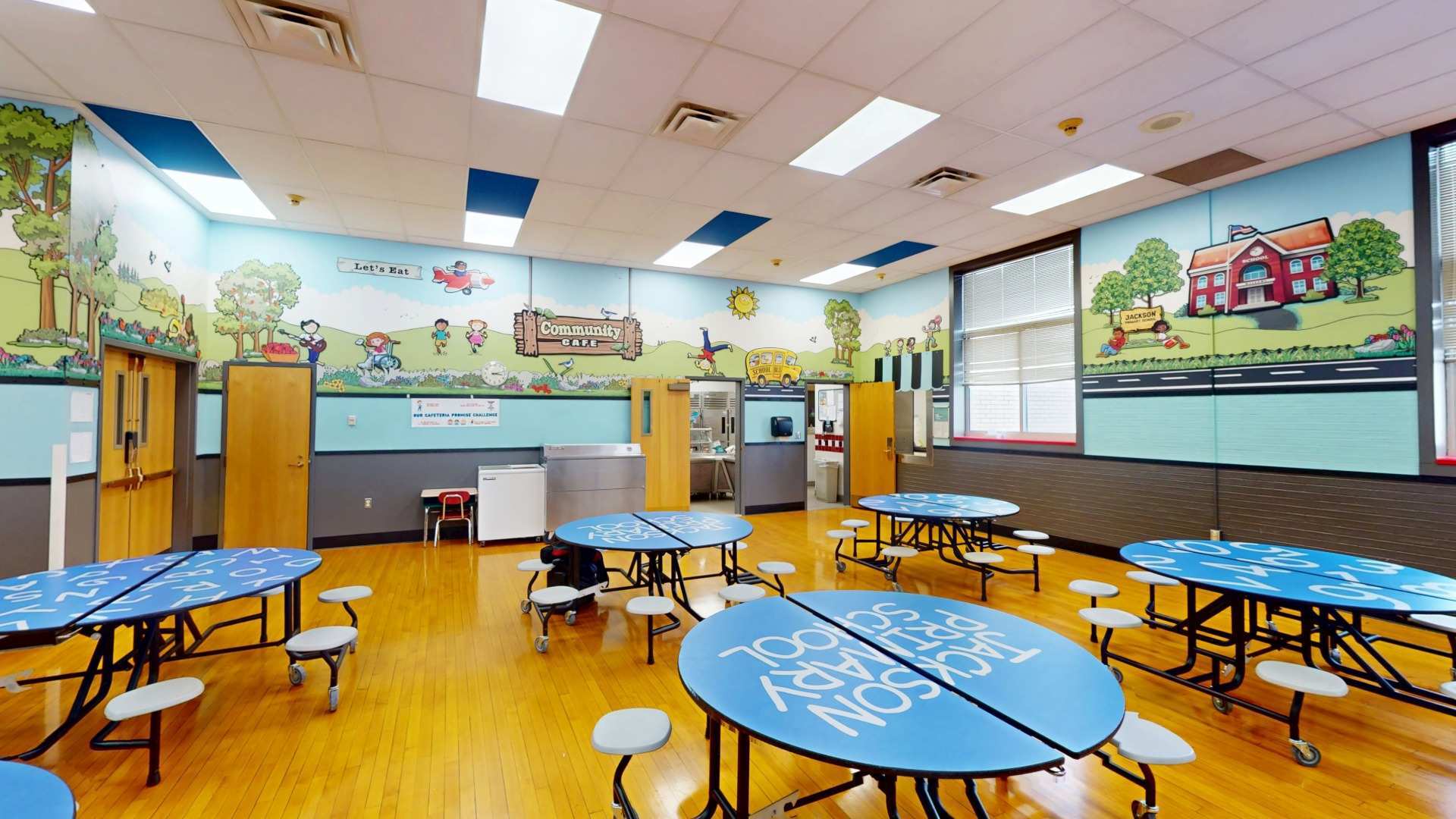
Now step into a cafeteria featuring vibrant environmental graphics, clear station signage, warm lighting, and a cohesive school visual identity. The space no longer feels like an institutional program—it feels like a modern dining space.
“When the environment looks unified for every student, the social distinction between free and reduced lunch and paid meals disappears. Normalization is an incredibly powerful tool for students on the fence about participating.”
Four Things You Can Change Without Touching a Recipe
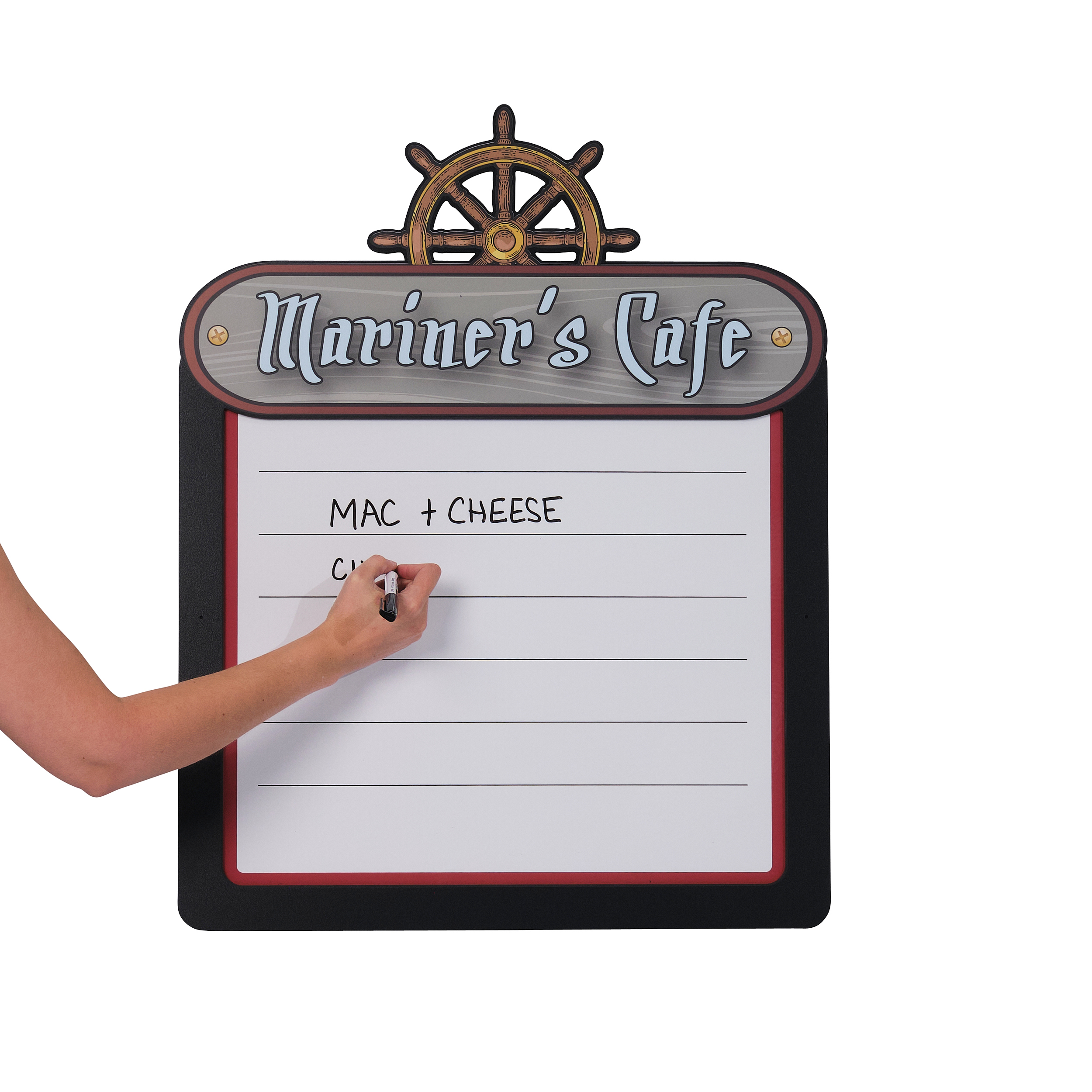
- 1. Make the Menu Readable from the Back of the Line: Display clear, high-visibility digital or printed signage near the entrance so students can evaluate their options before reaching the serving area, speeding up lines and reducing decision anxiety.
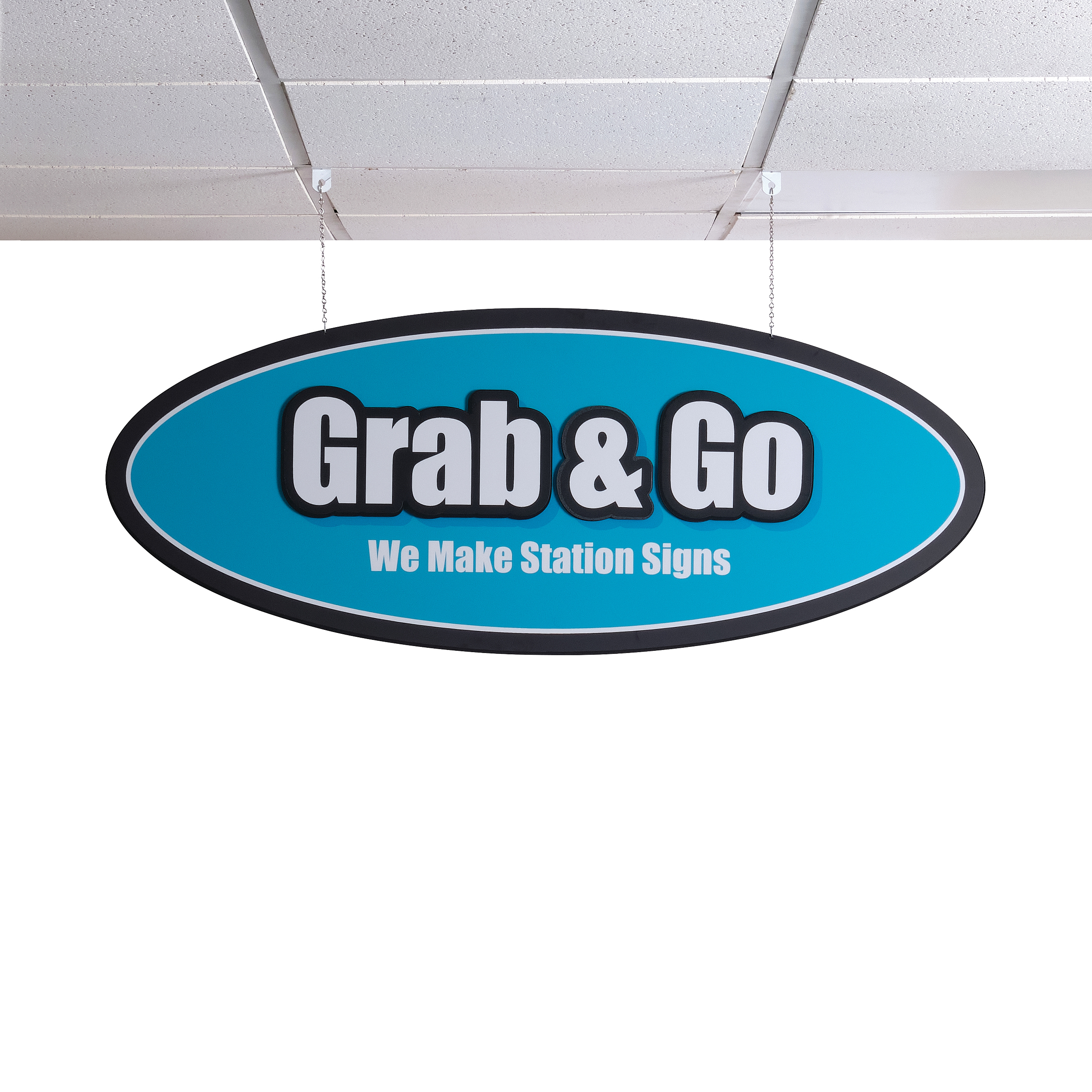
- 2. Take Decision Points Out of the Queue: Create clear, distinct service points (e.g., Grab & Go stations vs. Hot Meal lines) to eliminate bottlenecks and prevent students from feeling crowded or put on display.
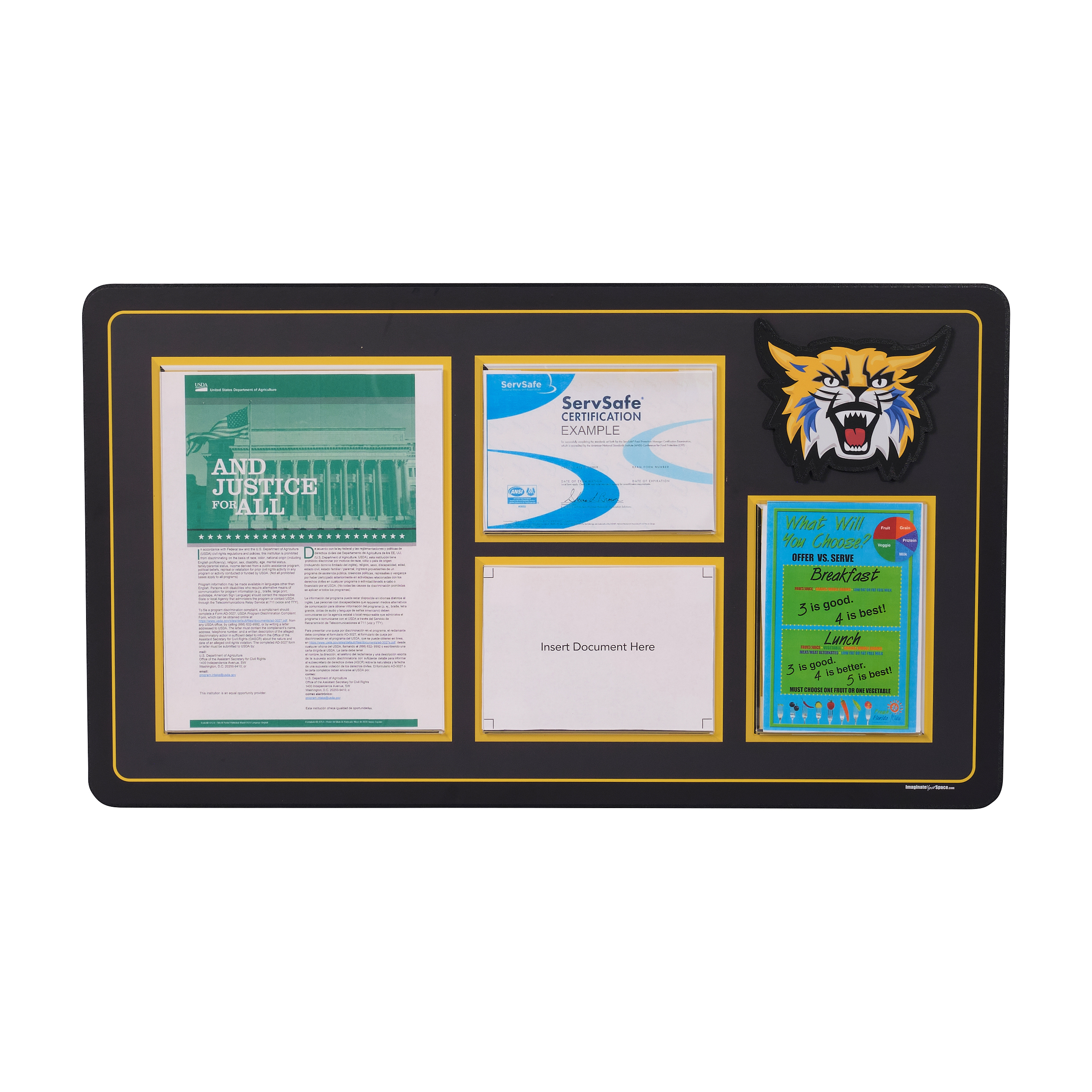
- 3. Give the Room an Identity That Belongs to the School: Replace blank walls with custom school branding, mascot graphics, and modern color palettes that turn an institutional hall into a proud community hub.
- 4. Introduce Flexible Seating Configurations: Move away from rigid industrial benches by incorporating a mix of booth-style seating, round tables, and high-tops to make the space feel inviting and social.
Where to Start
Designing for the student who almost didn't come is the key to closing the participation gap. A well-designed cafeteria won't erase economic anxiety entirely, but it removes one of the most visible daily reminders of it from the student experience. A space built with dignity benefits every student in the building and directly drives participation where it matters most.
FAQ
How does cafeteria design directly impact free and reduced lunch participation?
Cafeteria design impacts participation by eliminating visual and social stigma. When a dining hall looks institutional or forces long, exposed single-file queues, self-conscious students avoid it to escape being labeled. A modern, branded, and welcoming environment normalizes the space for all students equally.
What are the main physical causes of long lunch lines in school cafeterias?
The primary causes include single-line queue layouts, hidden menu options that delay student decisions until they reach the counter, and lack of clear station division (such as separate Grab & Go or express meal lines).
Can cafeteria redesigns be completed without altering the current menu or food service staff?
Yes. Environmental design changes—such as adding wall graphics, updating station signage, reconfiguring traffic flow, and introducing varied seating—require zero changes to existing recipes, meal programs, or kitchen staffing.
How does clear signage help speed up lunch line progression?
High-visibility signage placed at the entrance and early decision points allows students to review menu choices and reimbursable meal components before reaching the serving counter, drastically reducing bottlenecks at the register.
Why is school branding and graphic design important in dining spaces?
School branding transforms an institutional room into a space of pride and community. Incorporating school colors, mascots, and modern visuals gives the cafeteria a distinct identity that feels like a modern restaurant rather than a government meal distribution center.