
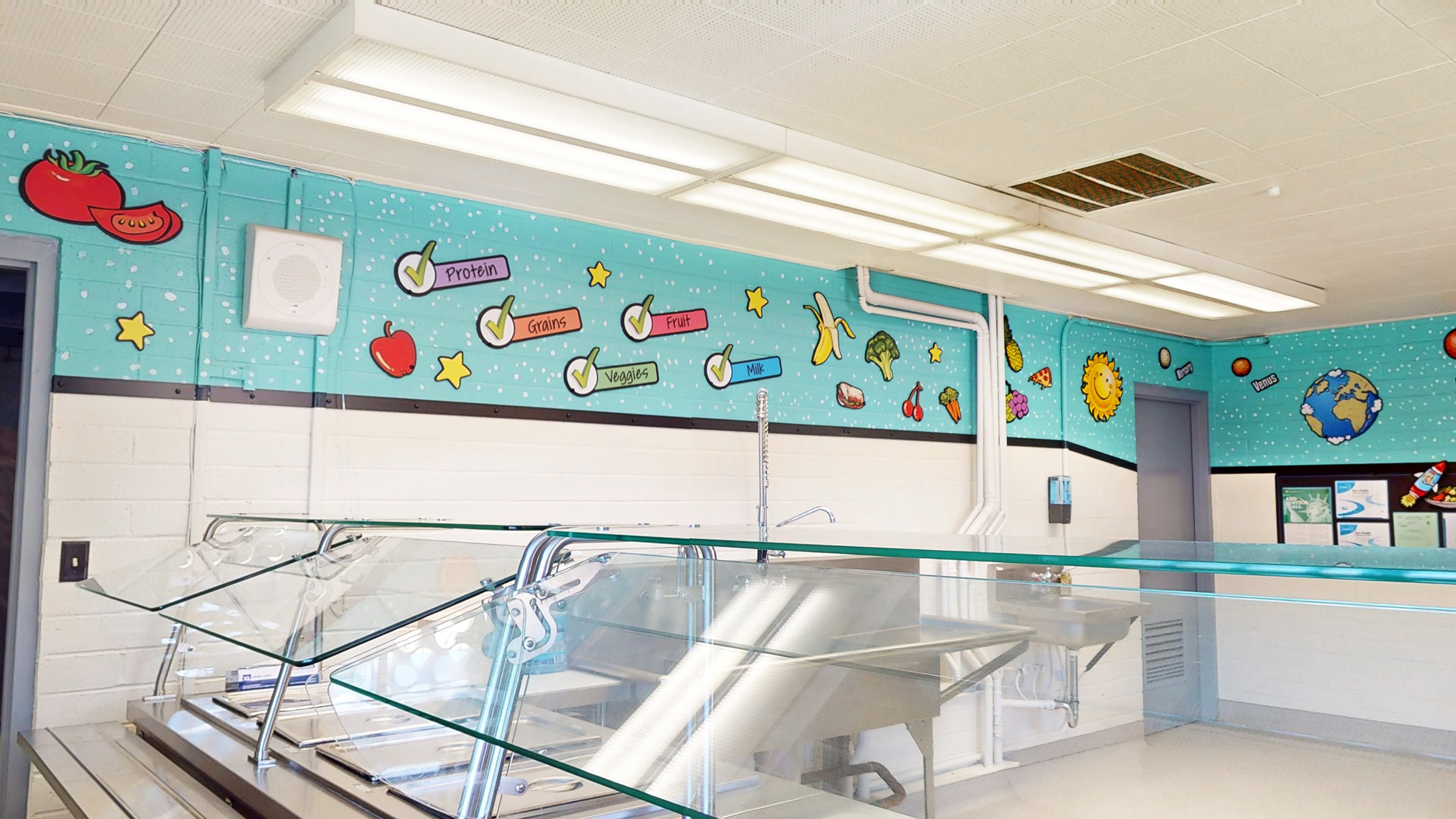
Not a legal memo. Just where the rule actually shows up in your day.
For most School Nutrition Directors, sometimes still called food service directors, 7 CFR 210 is something to comply with, not something to read. It is dense, it is long, and nobody got into school nutrition because they love federal code. The good news is you do not need to memorize it. You need to know where it touches your day, because it shows up in your menus, your serving lines, your counting and claiming, and the reviews that decide whether your program gets paid.
What is 7 CFR 210, in plain terms?
7 CFR 210 is the federal regulation that governs the National School Lunch Program. It sets the rules for how schools plan, serve, document, and claim reimbursable lunches. That is the whole thing in one sentence. The rest is detail, and most of the detail comes back to a single idea: getting reimbursed depends on more than putting food on a tray.
Where 7 CFR 210 actually touches your day
You feel it in a handful of concrete places:
- Meal pattern requirements shape what you plan.
- Offer versus serve shapes what students can decline.
- Counting and claiming has to be accurate.
- State agency reviews check that it all holds up.
- Serving-line communication, the signs that tell students what makes a reimbursable meal.
The regulation is not abstract. It lives in the line.
The signage requirement people forget
Here is the piece that surprises directors. The rule requires schools to identify the food items that make up the reimbursable meal at or near the beginning of each serving line. Not buried on a back wall. At the line, where students choose. That is a regulatory requirement and a design requirement at the same time, and a vague or missing sign is a gap a reviewer can flag.
What a review actually looks at
During an administrative review, the state agency observes meal service, checks that the required components and quantities are offered, and confirms that students can identify a reimbursable meal, whether through signage or another method. The takeaway is simple. It is not enough to serve the right food. Students have to be able to tell what the meal is, and you have to be able to show that they can.
Why a finding is not just paperwork
Here is what makes these reviews carry more weight than a typical school audit. A finding tied to reimbursement can come with fiscal action, which means the program can actually lose federal or state money, not just file a correction and move on. Not every finding costs you, since minor ones get a corrective action plan, but the findings connected to meals claimed and components served can hit revenue directly. That is the real reason clear communication at the point of service is worth the effort. It is not about looking compliant for its own sake. It is about protecting the dollars the program runs on.
What signage can and cannot do
This matters for trust, so be honest about it. Good signage helps students build the right meal and supports a clean review. It cannot fix an incorrect menu, a missing component, sloppy documentation, or untrained staff. Signs support the system. They do not replace it. Any vendor who tells you a sign package makes you compliant is selling you something.
The misunderstandings that get directors in trouble
A few beliefs cause most of the problems for School Nutrition Directors:
- That a nice-looking menu board is automatically enough.
- That the cashier can explain everything.
- That a sign on the main line covers the secondary and grab-and-go lines too.
- That if students know the routine, signs are optional.
- That compliance signage has to be ugly to count.
None of those hold up, and most are easy to fix once you can see them.
A short readiness checklist
If you want a quick gut check on where you stand:
- Are reimbursable meal items identified before students make their choices?
- Is signage visible at every serving line, including secondary and grab-and-go lines?
- Are the offer versus serve instructions clear for each grade level?
- Are menu boards updated to match what is actually served that day?
- Are the paid extras clearly separated from the meal?
- Do your signs and your staff use the same language?
- Can the signs be cleaned and updated easily?
7 CFR 210 is easier when the cafeteria communicates
Food service directors carry an enormous amount, and clear visuals will not lighten the regulation itself. What they will do is reduce the daily confusion that turns small gaps into review findings. Know where 7 CFR 210 touches your line, build the signage to meet it, and you spend less time explaining and more time serving.
This article is general guidance, not legal or regulatory advice. Always confirm requirements with your state agency and USDA guidance.
--- FREQUENTLY ASKED QUESTIONS ---
What is 7 CFR 210?
7 CFR 210 is the federal regulation that governs the National School Lunch Program. It sets the rules for how schools plan, serve, document, and claim reimbursable lunches. In practice it shapes meal patterns, offer versus serve, counting and claiming, serving-line signage, and the state agency reviews that decide whether a program gets paid.
What does 7 CFR 210 require for serving-line signage?
The rule requires schools to identify the food items that make up the reimbursable meal at or near the beginning of each serving line, where students choose, not on a back wall. It applies to every line, including secondary and grab-and-go stations. A vague or missing sign is a gap a reviewer can flag.
What does a school nutrition administrative review check?
During an administrative review, the state agency observes meal service, confirms the required components and quantities are offered, and checks that students can identify a reimbursable meal through signage or another method. It is not enough to serve the right food. You also have to show that students can tell what the meal is.
What happens if a review finds a 7 CFR 210 violation?
Findings tied to reimbursement can carry fiscal action, meaning the program can lose federal or state money rather than just filing a correction. Minor findings usually get a corrective action plan, but issues connected to meals claimed and components served can hit revenue directly. That is why point-of-service clarity matters.
Does signage make a school compliant with 7 CFR 210?
No. Signage supports compliance but does not create it. Good signs help students build the right meal and support a clean review, yet they cannot fix an incorrect menu, a missing component, sloppy documentation, or untrained staff. Any vendor claiming a sign package alone makes you compliant is overselling.