



Sean Barton
Chief Operating Officer
Questions about your own room?
One short call to walk through the room, the goals, and what is possible. No pressure, no obligation.
Overview
-
For a lot of students, this room means more than we realize—whether they ate breakfast from a gas station, didn't eat at all before the bus came, or feel embarrassed about getting free lunch.
-
Institutional spaces with blank walls, buzzing fluorescent lights, and industrial features communicate that the room exists strictly to process meals, not to support students.
-
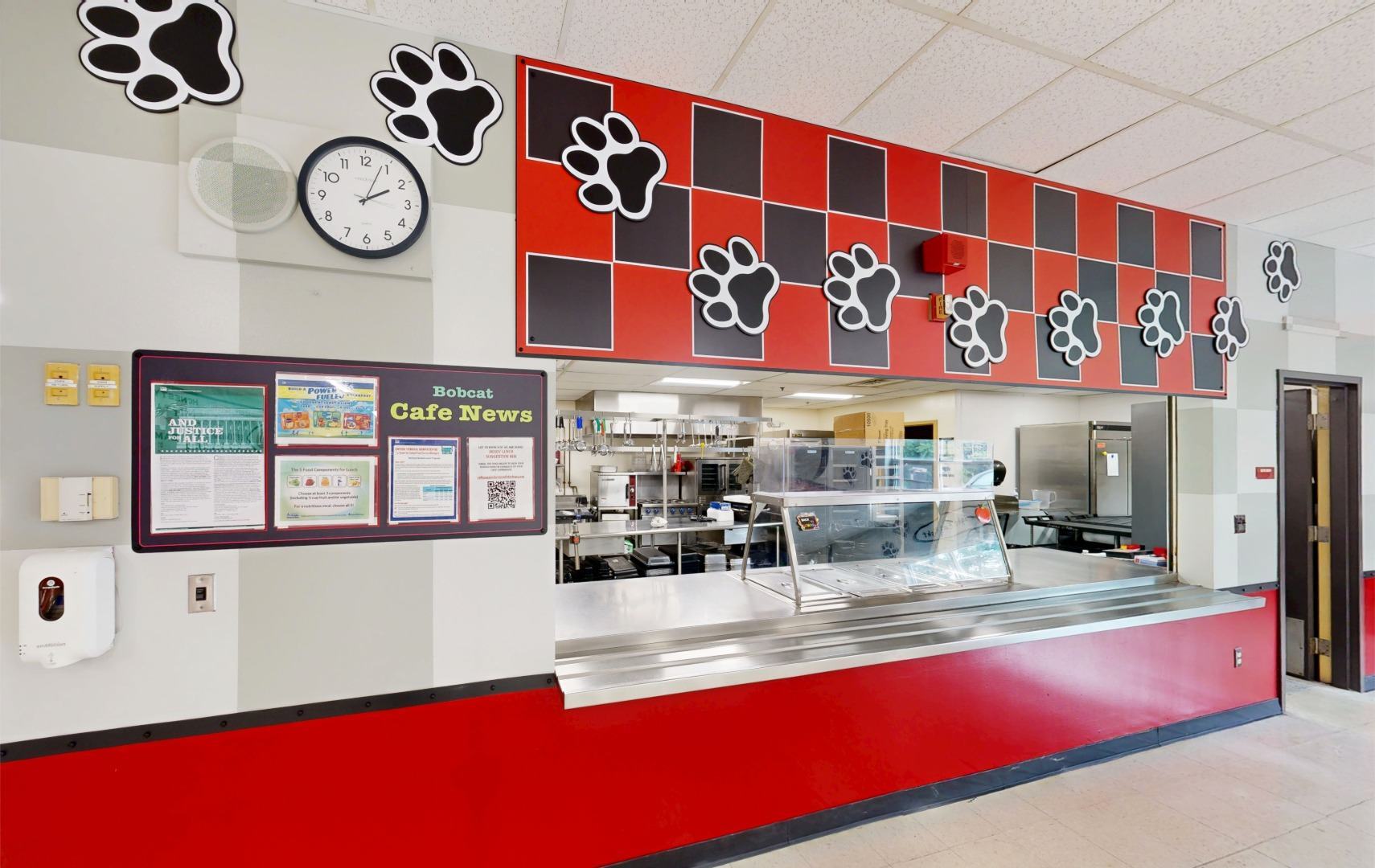
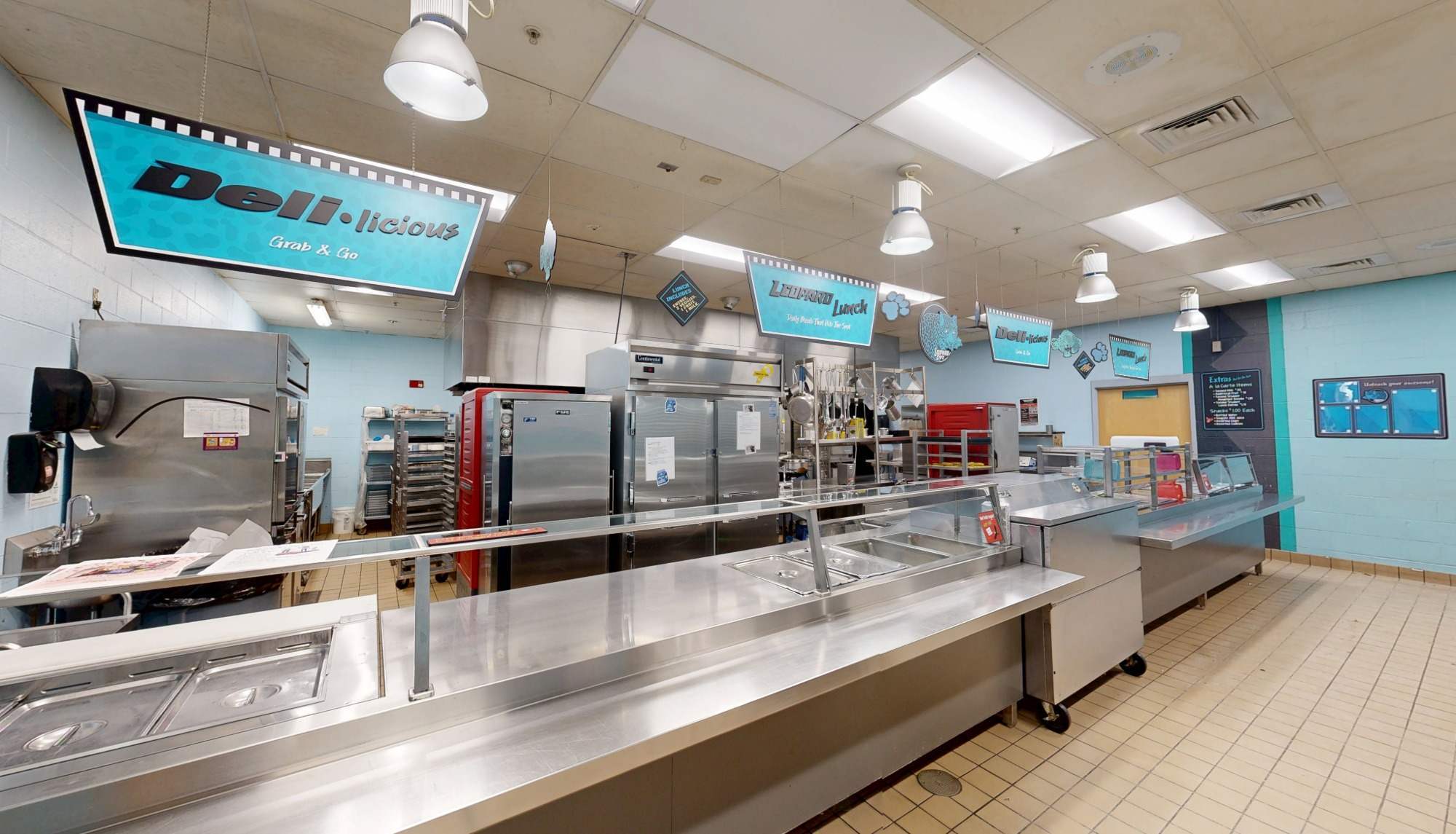
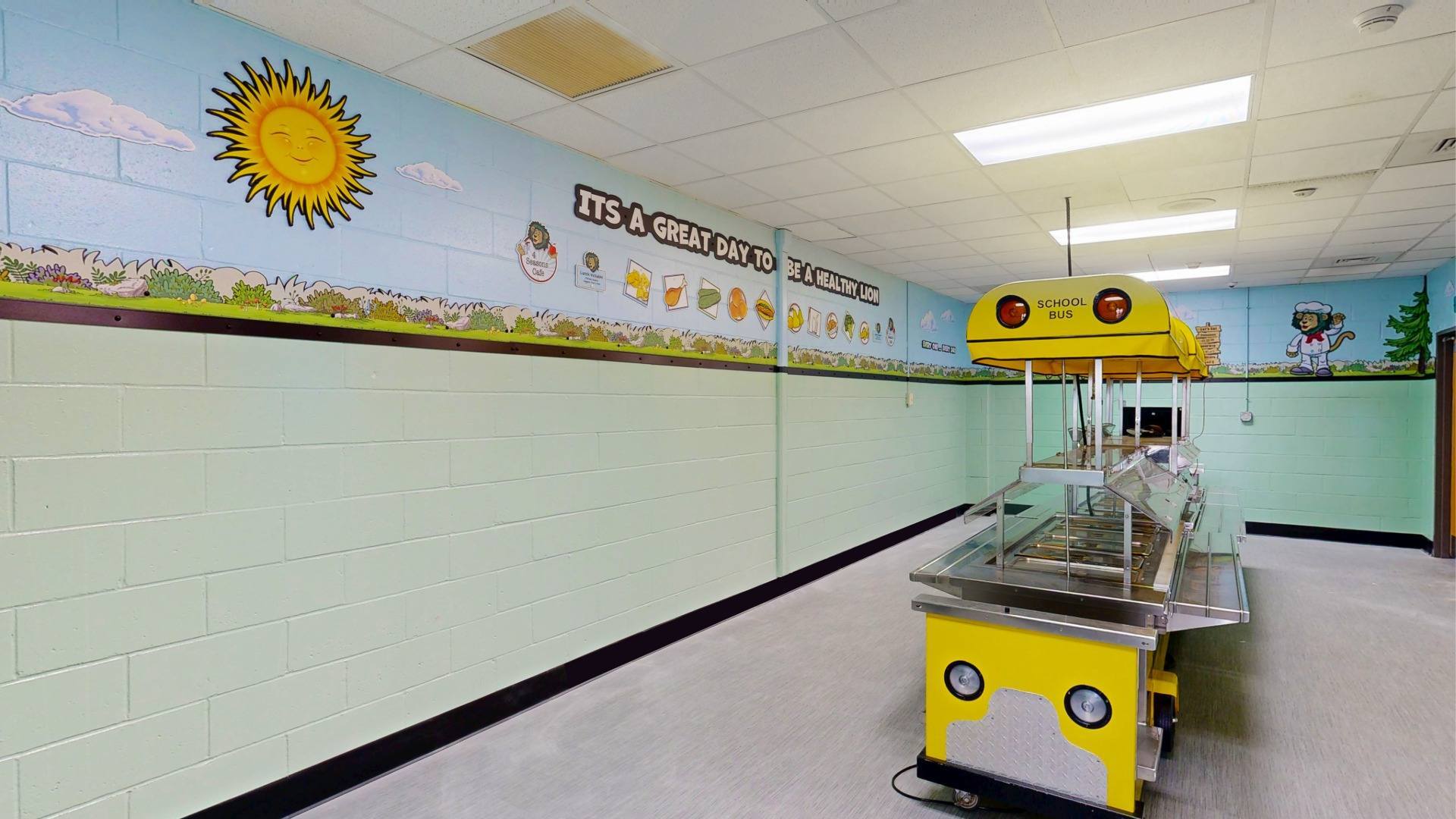
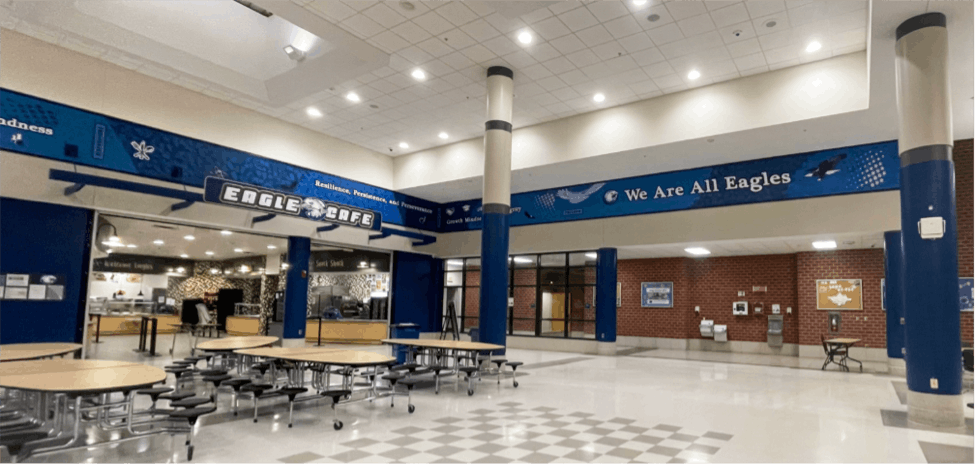
Comfort in a cafeteria is about intention: warm colors, expressive graphics, and clear signage shift the starting point so students naturally behave with greater care and respect.
-
Designing a dignified dining environment communicates belonging 180 days a year, transforming the room from a warehouse into a true reflection of school values.
What the Room Says When Nobody Is Talking
For a lot of students, this room means more than we realize. There is a student at your school who ate breakfast from a gas station this morning because that is what was available. There is another one who did not eat at all before the bus came. There is a kid in fourth grade who has been getting free lunch since kindergarten and has never once talked about it with friends because he is embarrassed. For these students, the cafeteria is not just where lunch happens—it is personal. And what the room looks like when they walk in tells them something about how much the school values their experience there.
A cafeteria with blank walls, buzzing fluorescent lights, and industrial everything sends a very specific message. It says this room is functional. It exists so we can process meals. It is not about you. Nobody designs a cafeteria to feel dismissive on purpose. But that is the effect when zero thought goes into the space. There is no ambiance. No warmth. No sense that anyone considered what it would feel like to eat here every day. Students feel it. They may not have the vocabulary for it, but they know the difference between a room that was made for them and a room that was made despite them.
Daily Communication of Belonging & Care
Impact on Vulnerable & Food-Insecure Students
Behavioral & Environmental Improvements
Focus on Dignity Over Industrial Utility
“Students may not have the vocabulary for environmental design, but they instantly feel the difference between a room made for them and a room made despite them.”
What Changes When Comfort Enters the Room
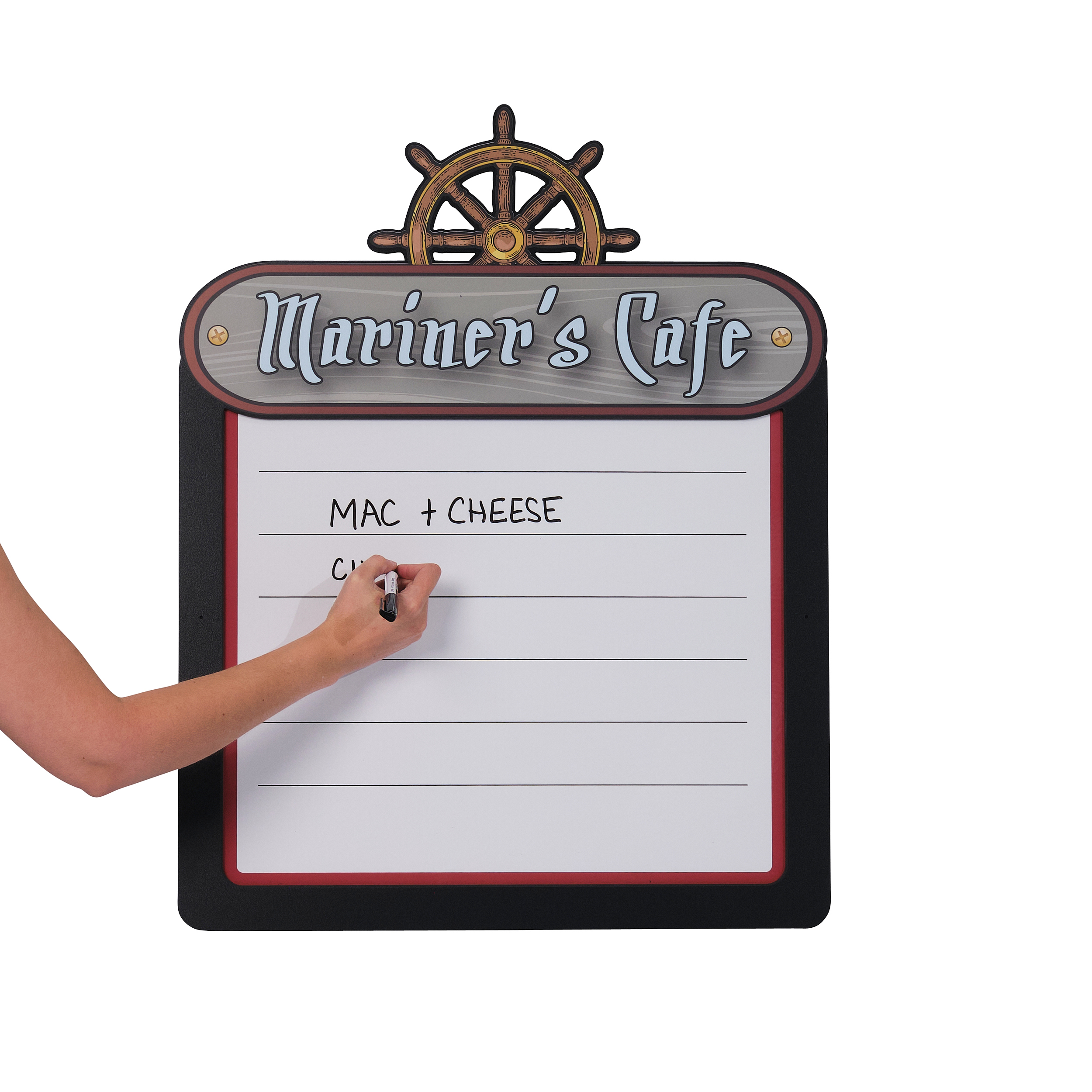
Comfort in a cafeteria is not about luxury—it is about intention. Warm colors that make the room feel alive instead of clinical. Graphics that give the space character and connect it to the school. Signage that makes the lunch process clear instead of confusing. A visual identity that ties the cafeteria to the rest of the building.
- Rapid Behavioral Shift: When those things are in place, students behave differently and it happens fast—they stay longer, talk more calmly, throw away their own trash without being reminded, and are nicer to the lunch staff.
- Setting a New Tone: This behavioral shift doesn't happen because someone gave a speech about cafeteria expectations, but because the room set a tone and students met it.
- A Better Starting Point: Food service directors who have seen this happen always describe it the same way: it is not that the problems vanish, but that the starting point changes. The room begins from a better place, so everything that happens in it goes a little better too.
Dignity Is the Word for It
When a school puts real thought into the cafeteria, the underlying message is: your time here matters. You matter. We built this for you. For a kid who is having a hard time at home, that message lands differently than it does for a kid whose parents pack artisanal lunches. For the student who depends on the school meal, eating in a space that looks cared for is a fundamentally different experience than eating in a space that looks like a warehouse. It is the difference between feeling provided for and feeling processed.
- Visible Impact: That difference is not dramatic—it is something you can actually see in daily cafeteria operations.
- Response from Those in Need: After a cafeteria transformation, the students who respond the most visibly are almost always the ones who needed it most.
- Consistency & Connection: They sit a little longer, come back more consistently, and experience a shift in their relationship with the room because the space finally tells them something they needed to hear.
The Design Tells a Story Every Day
Here is the thing about cafeteria design that people underestimate: it is not a one-time moment, and it is not a ribbon cutting. The room speaks to every student every single day, 180 days a year. A well-designed cafeteria tells a story about belonging and care 180 times, whereas a neglected one tells a different story just as often. Schools invest in libraries because they believe reading matters. They invest in gyms because they believe fitness matters. The cafeteria is where students experience nourishment, community, and social connection every day—if those things matter, the room should reflect it.
“Cafeteria design is not a one-time event—it speaks to every student 180 days a year, telling a continuous story about belonging, community, and care.”
Behavior Follows Dignity
Schools that redesign their cafeterias see fewer discipline issues. Not because the graphics have magical powers, but because students treat dignified spaces with dignity. We take care of things that look like someone cared about them, and we disregard things that look disregarded. It is simple human behavior, and it plays out in school cafeterias every single day. The cafeteria might be the single best place in a school to show every student, every day, that their experience matters. That is not a design project—that is a values statement.
“We take care of things that look like someone cared about them, and disregard things that look disregarded. Behavior simply follows dignity.”
Frequently Asked Questions
How does cafeteria design directly influence student behavior during lunch?
Students naturally mirror the quality of their environment. When a dining room feels dignified and cared for, students treat it with respect—leading to quieter conversations, cleaner tables, and better interactions with lunch staff.
What is the difference between "luxury" and "comfort" in school cafeteria design?
Comfort isn't about expensive finishes or luxury items; it is about spatial intention. Adding warm colors, clear wayfinding signage, and school branding transforms a clinical warehouse into an inviting space where students feel welcomed.
Why is the cafeteria environment particularly meaningful for vulnerable or food-insecure students?
For students depending on free or reduced school meals, an attractive, cared-for room removes social stigma. It transforms receiving a meal from an institutional, embarrassing process into a dignified, community-centered experience.
How does a well-designed cafeteria communicate school values compared to gyms or libraries?
Just as gyms value fitness and libraries value literacy, a well-designed cafeteria demonstrates that student nourishment, community connection, and daily wellbeing are core priorities for the school.
Can simple visual upgrades really reduce daily discipline issues?
Yes. Eliminating environmental friction—such as harsh lighting, bare cinderblock, and confusing queue lines—removes underlying student anxiety, which directly leads to fewer behavioral referrals and calmer meal rotations.